




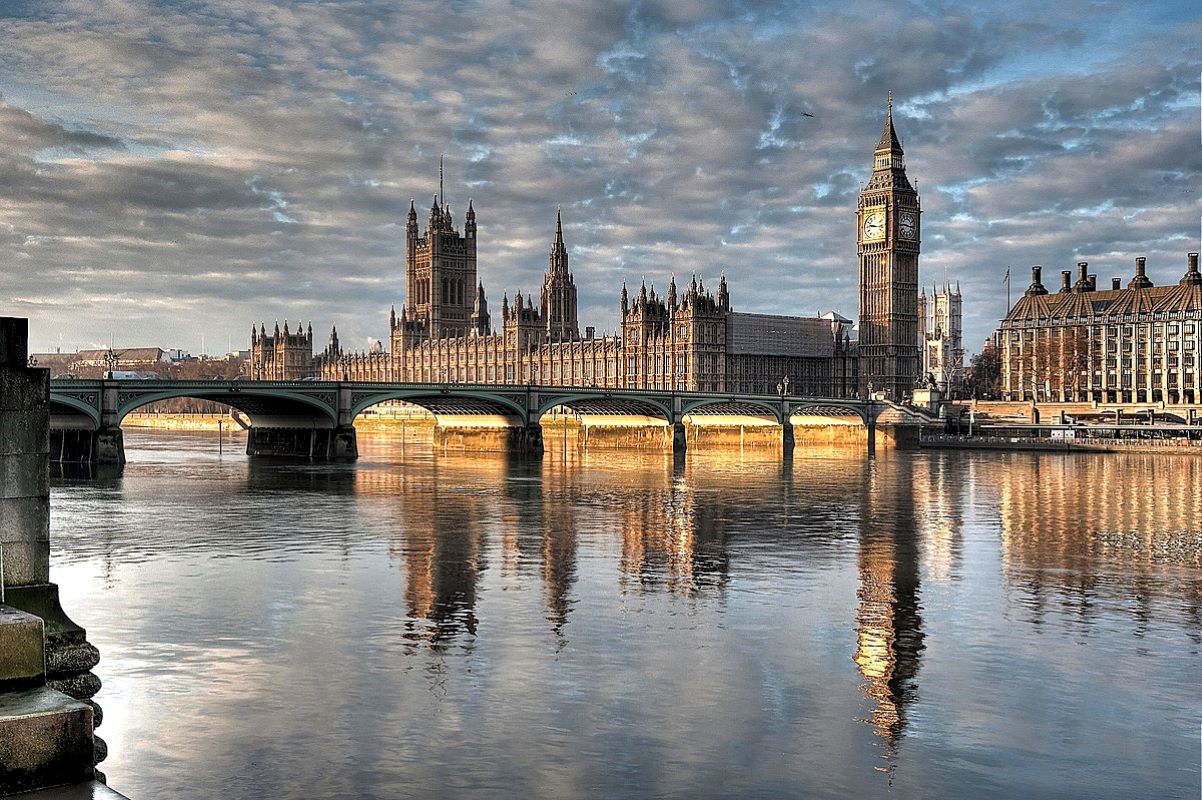
The parliamentary class of 2019 have left the building. No more wildly improbable expenses claims or subsidised quails’ egg omelettes for them – at least for the time being. Around eight in ten former MPs are hoping to climb back on the gravy train when it heads back to Westminster on 5 July, but after five years watching more sleaze ooze out of parliament than sewage from a Thames Water treatment plant, surely we must refuse to buy them a ticket?
Since 2019, Westminster’s Independent Complaints and Grievance Scheme has carried out an average of 20 investigations each year into alleged bullying, harassment and sexual misconduct by MPs. This doesn’t represent the number of complaints they received; just the ones they chose to investigate.
Of course, it could be that one (dis)honourable member is so vilely prolific that they’re responsible for most of these offences (a few names do spring to mind) but the converse is more likely; if 100 MPs have been investigated since the election, that’s over 15% of the intake. Whatever your profession, discovering that every seventh person you work with has been suspected of some sort of molestation has got to have you re-considering your career choices?
Normalising the abnormal
Examples of MPs’ awful behaviour have become so chronically regular that, like the need for foodbanks in our hospitals, we risk forgetting that it’s unacceptable.
But when Jess Phillips says that her standard day involves speaking to multiple women who’ve been raped by MPs and when new female members are handed a list of male colleagues they should avoid sharing a lift with, we know we’ve been choosing some terrible people to represent us.
When even the chair of the Standards Committee says he didn’t report members who repeatedly assaulted him because their behaviour was already well known, we’ve got to start changing our voting habits.
So many of the class of 2019 have had the whip withdrawn that this block of involuntary independents represented the third biggest ‘party’ in parliament when the election was announced.
Some were suspended due to internal party squabbles, but others included those charged with rape, domestic violence and sexual harassment. And this group doesn’t even encompass the more than half-dozen MPs who decided to simply resign when similar allegations came to light.
MPs: stalkers, bullies and predators
Somehow, five years ago, we managed to put our cross next to the names of a whole bunch of stalkers, bullies and predators. Not to mention people happy to pimp themselves out to lobbyists for a few grand or hand over colleagues’ phone numbers to blackmailers. The breadth of their awful behaviour is one of the only things that is impressive about the class of 2019.
Of course, there have always been scandals. This lot didn’t invent sleaze they just took the idea and ran with it. Back in the day, there was even the odd MP prepared to go to jail for their beliefs and whatever you may think about Bernadette Devlin (incitement to riot) or Terry Fields (refusing to pay poll tax) at least their convictions arose from their… er …convictions.

In plain sight
There is something odd about the way so many of the class of 2019’s offences were carried out with little or no attempt to conceal them. I mean who watches porn at work with colleagues so close they can hear every grunt and see every predilection? Who boasts to journalists about their going rate for breaking lobbying rules? And who avoids paying millions in tax to the chancellor of the exchequer when they are actually the chancellor of the exchequer?
Does the arrogance needed to break the rules in plain sight, or repeat doctored figures during live TV debates, develop over time or were they always like this? Perhaps obfuscation was how our MPs approached everyday life even before they were paid to do it professionally?
“Have you put the bins out dear? You said you’d do it after Masterchef.”
“Putting the bins out was only ever an ambition, never a promise.”
We, the electorate, must share some of the blame for this situation. Okay, we may not have chosen the barrel, but we’re at least partly responsible for scraping the bottom of it. Perhaps if we could identify the type of people we’ve been electing we could try to avoid electing them again.
Who are our MPs?
So, who were the class of 2019? Well, compared to the general population, they were disproportionately white (90%), male (66%), privately educated (29%) and graduates of Oxbridge (21%). They were likely to be middle aged and a worrying number of them (48) were related to other MPs. They were more likely to be landlords than the rest of us and, whether as a result of their skulduggery or not, far more likely to be millionaires.
One thing many MPs have in common with their unhappy constituents is having to find time for their second jobs. By January last year the class of 2019 had already raked in an extra £17mn between them but it’s hard to see a genuine parallel between doing a few hours ‘consultancy work’ to pay for that villa in Tuscany and doing a night-shift at Tesco’s to pay for the gas bill.
Who wants to be an MP?
So perhaps the problem lies with the selection process?
A few months before Rishi Sunak made his rain-soaked announcement, the Conservatives were so desperate for candidates they ran recruitment events to find some. I signed up and expected a thorough background check before I was allowed to attend. But no, the only qualification needed was to have been a member of the party for a whole three months. That’s less time than the average wait for a hip-operation and less than a quarter of the commitment you gave to BT when you wanted a landline. This may explain why the Tories are having to drop candidates after discovering their Twitter feed is full of hideously sexist remarks.
The Labour Party has its own issues. Constituency groups may have spent years building the reputation of a candidate, but NEC members have the final choice and they seem to have developed the convenient habit of choosing themselves. Take Durham East, a previously safe looking seat that may prove trickier if local activists aren’t keen on helping Luke Akehurst out of the parachute he used to drop in on them from Oxford.
And if it’s true that Sir Keir is keen on stopping left-wingers standing, you’d think he might want to avoid suggesting they are good at it. Funny then that if you Google “how to stand for labour” you land on a page featuring a smiling Jeremy Corbyn on the stump for the party.
Interestingly, a YouGov poll found that, despite the £90k salary and all the perks, most people would turn down the chance to be an MP. Not so the class of 2019, 80% of whom had been MPs before and want to be again. So, perhaps the key to a better Westminster is a rule that simply bans anyone who wants to be elected from standing.

CLICK HERE TO DONATE TO OUR CROWDFUNDER
HELP US BECOME STRONGER SO THAT WE CAN CONTINUE TO DELIVER POWERFUL CITIZEN JOURNALISM!







