




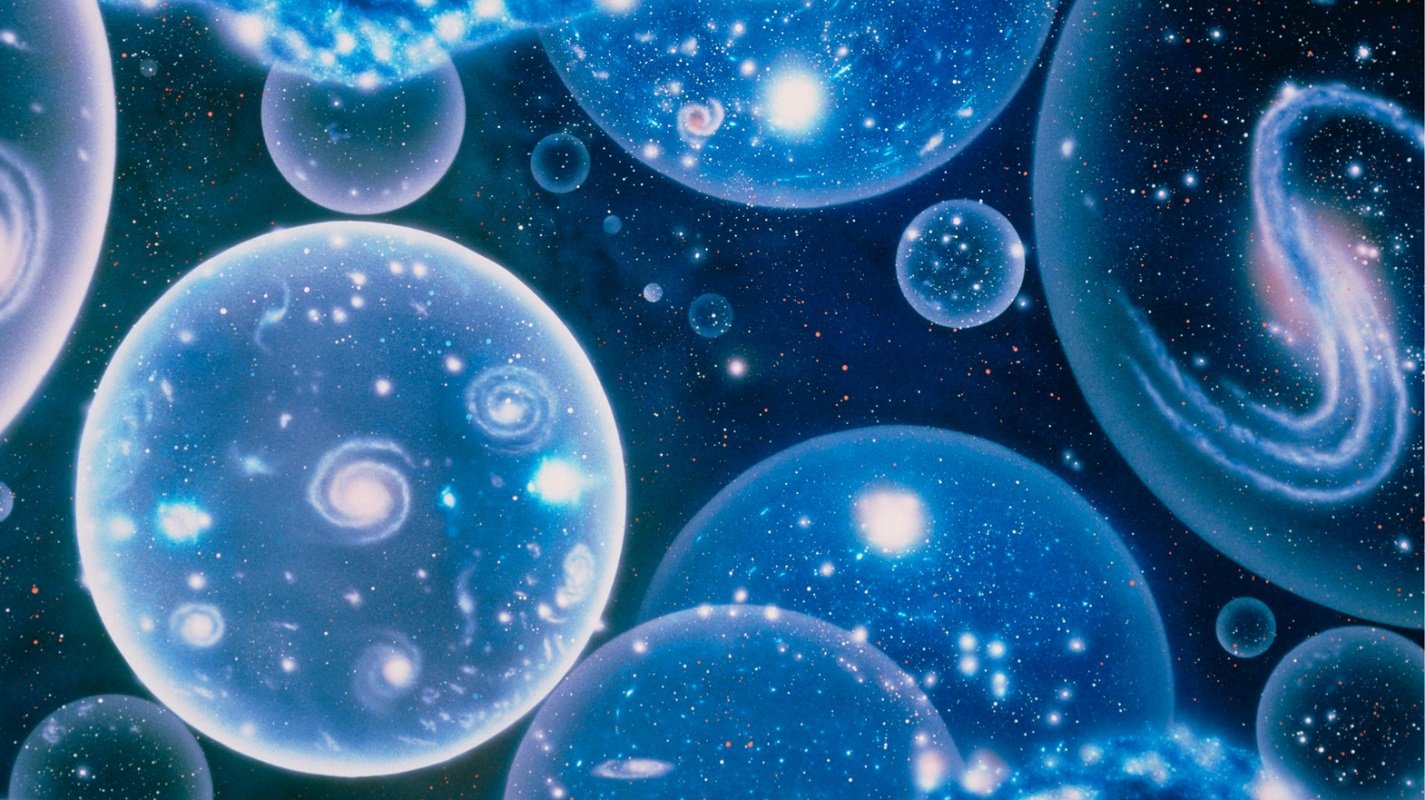
It has been suggested, in the realms of science fiction drawing upon speculative physics, that there is a multiverse in which different versions of our world exist, based upon minor turns of fate: ‘the butterfly effect.’ How might certain political events in our own history have played out if the butterflies had landed differently?
The butterfly effect and King Richard III
Shakespeare calls on the butterfly effect in his famous line “a horse, a horse, my kingdom for a horse”; the assertion that Richard III’s horse was poorly shod, stumbled and threw him off, leaving him at the mercy of surrounding foot soldiers in the Battle of Bosworth Field. Richard’s defeat ultimately resulted in a dramatic change in direction for the English monarchy.
Shakespeare got his dramatic idea from an even older verse, probably pre-dating even the hapless King Richard:
For want of a nail the shoe was lost,
For want of a shoe the horse was lost,
For want of a horse the rider was lost,
For want of a rider the battle was lost,
For want of a battle the kingdom was lost,
And all for the want of a horseshoe nail.
It is alternatively proposed that the horse may have got stuck in boggy ground, causing Richard to dismount. His remains, famously discovered in 2012 under a Leicestershire car park, showed that he died of head wounds, which do support Shakespeare’s depiction of him dying on foot in hand-to-hand combat.
So, in an alternative universe where the horse had been securely shod (or the weather had been less wet, and the ground less boggy) might a reference to an unsuccessful Tudor challenge on Bosworth Field be a minor note in Medieval history, with Richard continuing to rule England for many further years?
Consequently, moving forward two generations, might the descendants of Richard III have failed to deal effectively with the Spanish Armada? Would our current Queen still have ascended to the throne in 1952, or would the monarchy have descended from an entirely different ancestral lineage? And so on. With this idea in mind, let’s jump forward to a more recent era, and consider a possible alternative timeline.

An alternative timeline for UK politics
In 1963, Conservative MP John Profumo declines to resign when his dalliances with young women close to a Russian naval attaché are revealed by the press. His response to Prime Minister MacMillan’s questions are that he “doesn’t remember” what happened but that he is sure “no government business was discussed” and, he adds petulantly in private conversation, that surely, it is “no one else’s business whose private parties I attend in my own time”.
Newspaper proprietors and editors are leant on by government sources to suppress the story, and Profumo goes on to become prime minister after the general election of 1970.
In 1995, with Jeffrey Archer in the middle of his second term as Conservative prime minister, having replaced Profumo in 1985, the New York Times breaks the story that Profumo was blackmailed by the Russians throughout his entire 15-year premiership.
It becomes clear that many important political decisions between 1970 and 1985 were taken for the principal reason of protecting Profumo’s reputation, rather than for the benefit of the British people. The archives reveal that as the years went by, the British government became increasingly compromised by many further cover-ups necessary to perpetuate the initial cover-up.
This has included a rolling back of press freedoms and civil liberties, in order to divert the scrutiny of British journalists and the public in general. And to perpetuate a lucrative partnership in which the UK has been very much the junior player, as Russia calls in more and more favours.
Over the course of the 1970s, the City of London gradually falls under the control of Russian oligarchs, who use the huge wealth they have amassed through insider dealing to scheme against and finally overthrow the Soviet Politburo.
Over the same period, UK electoral protocols are subtly tweaked to make the UK an effective one-party state, ruled by politicians chosen in Moscow, but apparently democratically elected in stage-managed elections.
Britain never joins the EEC. The USSR becomes the URR (Union of Russian Republics) in 1980. The Berlin Wall still falls in 1989 … but so that East and West Germany can unify as a URR satellite. The cold war continues between the USA and URR, with Western Europe’s policy towards the URR being one of appeasement.
Is the alternative timeline realistic?
Fanciful? Maybe. But it is surely not impossible that one compromised politician not being held to account could act as the lost horseshoe nail that leaves a government helpless to act to stem a deluge of sleaze that eventually loses the kingdom? And if that possibility is even remotely plausible, we may already be living in very dangerous times for British democracy.
And there is evidence to suggest that a gradual slide has already begun.






