Last October, when Marcus Decker and I scaled the QE2 bridge to unfurl a Just Stop Oil banner, we set out to provoke strong emotions relating to the climate crisis. During our sentencing, which took place on Friday 21 April, it became clear that we have also provoked the judiciary. The judge expressed considerable anger in his summing up as he sentenced me to three years. With rage in his voice, he said my actions expressed an attitude of ‘to hell with everyone else’.
It’s actually a relief and a catharsis to hear some rage from the judiciary.
We are speeding into an apocalypse of climate and ecological breakdown. We’re doing that voluntarily to ourselves. We may kill ourselves and nearly everything beautiful and alive on the Earth. The situation is utterly unhinged. You should feel rage, fear, grief. Because those emotions are inseparable from love.
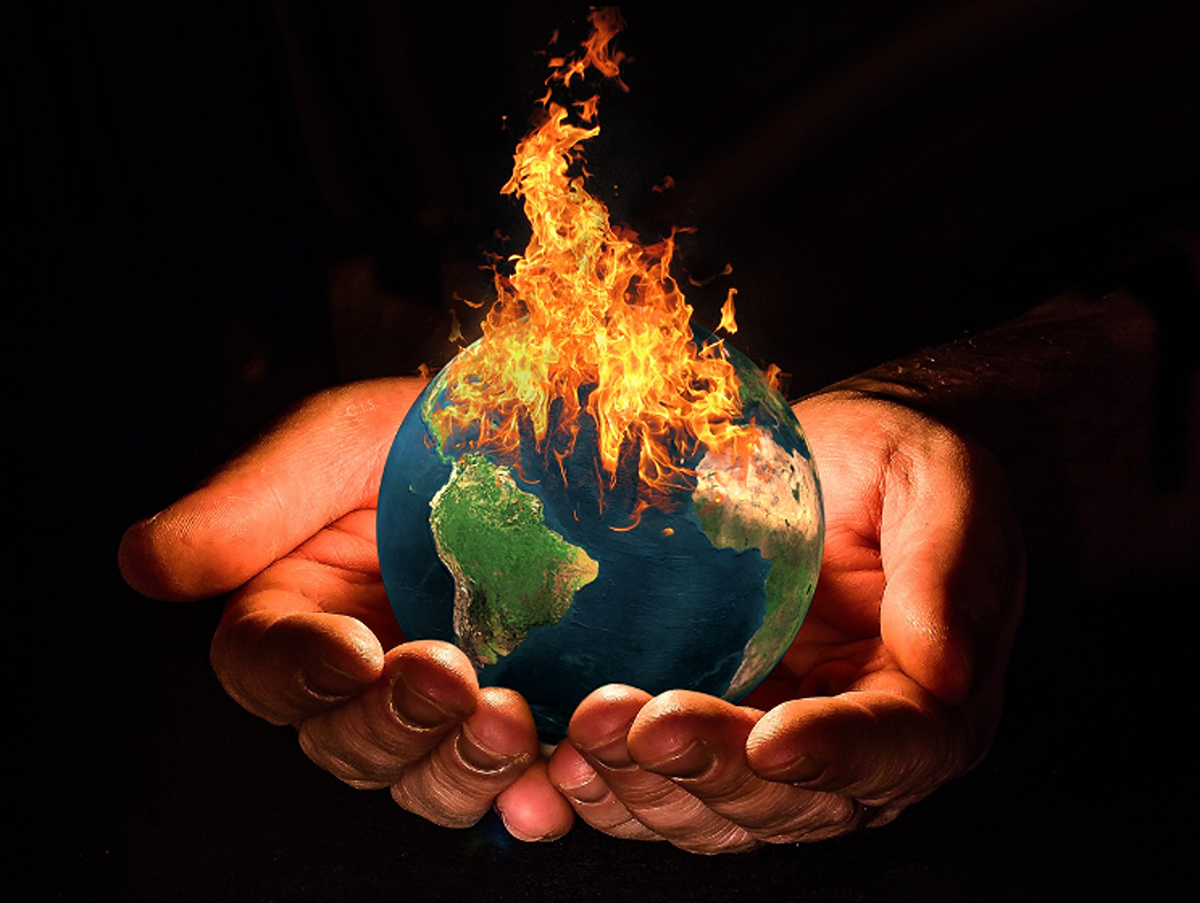
I found it more soul-destroying to hear the attitudes of judges and prosecutors during more low-key trials of civil disobedience charges in the past. The men and women in grey suits give a sigh and a subtle eye roll, and you can just see what they’re thinking: if only we’d just followed their neatly written rules, then everything would be fine. Everything is not fine. Everything is on fire.
Might the establishment be glimpsing reality?
There is no rule of law in our global context, our global society. The strong prey on the weak. Some people are killing others through climate violence and killing with impunity. There’s no justice for that. That is the reality which everyone in Extinction Rebellion, Animal Rising, Insulate Britain, and Just Stop Oil have been grappling with. While we grapple with reality, much of the judiciary seems to plug their ears and stay in la-la land.
But that my judge got so angry suggests he may be close to breaking into reality – and the reality is this: our government has made a voluntary decision to carry on digging up and burning oil and gas for at least three more decades, knowing, knowing that this wreaks deadly violence on many of the world’s most vulnerable people. Violence falling from the sky on people, deadly heat, famine, pestilence, floods, storms, and the consequence will inevitably be war.

The human effects of climate change massively outweigh those of protests
I’ve met some of the people who are suffering most now: people in India who have nowhere to hide, no way to protect their children from the deadly heat, famine, water scarcity and disease that are driven by our carbon-intensive lifestyles.
This morning I saw on the news that in India, deadly heat is rising again. People there have nowhere to hide from these life-threatening temperatures, and I give precedence to their right to life. When you put those rights to life on the balance, then the rights of British people to pass and re-pass the QE2 bridge look less weighty. When you consider that during our action the Dartmouth tunnels allowed two lanes of traffic to continue crossing the river in most directions throughout, it looks less weighty still.
Despite all of this, I accept that obstructing the QE2 bridge was a terrible option. It caused people pain, real pain. Causing people emotional pain is not okay, even if an action is non-violent and, like mine, causes no physical harm.
Options remaining to highlight the crisis are limited
We should design our actions to avoid as much pain as possible. I could have done better. But why are we left with only terrible options? It is because we have a government and media system which refuse to make plain to ordinary people that we face catastrophic suffering on an unimaginable scale. That refuse to make plain that, by our collective action, we can make a difference. We can still preserve many of our most vulnerable neighbours’ lives.
We can do it, because we’ve done it before – in 2020 when the government and media resolved to make ordinary people connect emotionally with the reality of suffering should Covid-19 run rampant. Information was beamed at us on all channels. Everyone was mobilised. And then everyone was willing to change their way of life overnight to preserve their vulnerable neighbours’ lives.
We could do that again to stop oil and gas. Why aren’t we? Most of the suffering is now in far-away lands. Could the reasons be rooted in white supremacy, colonialism maybe? Do the interests of wealthy elites who want to continue profiting from oil have a strong influence? Maybe. The Prime Minister at the time I climbed the bridge, Liz Truss, was a former Shell employee. That reeks.
It’s not about who’s to blame
Assigning blame doesn’t protect anyone. What matters is that the following messages reach our fellow citizens urgently, which is why Marcus and I scaled the bridge.
One: oil and gas are killing people now and destroying our future. Two: we can do something about it and stop licensing new oil and gas wells now. I know that we made a lot of people angry by delivering the message in the way we did. I also know that all of those people love their children. None of them want to destroy their own futures in a collective suicide. When the anger subsides, the reality will remain. Because this is their cause too. Their future. Everyone’s future. Everyone’s cause.
When I saw Professor Julia Steinberger, a scientist working for the Intergovernmental Panel on Climate Change, glue herself to a Swiss motorway last summer, I knew what I had to attempt. We step forward when we see other people around us doing the same.
I know that I’ve got little to fear about prison because of the privileges that I benefit from. I don’t pretend that all paths of activism should lead here. That would be absurdly myopic. But we do need to use all non-violent means necessary if everything’s at stake. And our very survival is at stake.