



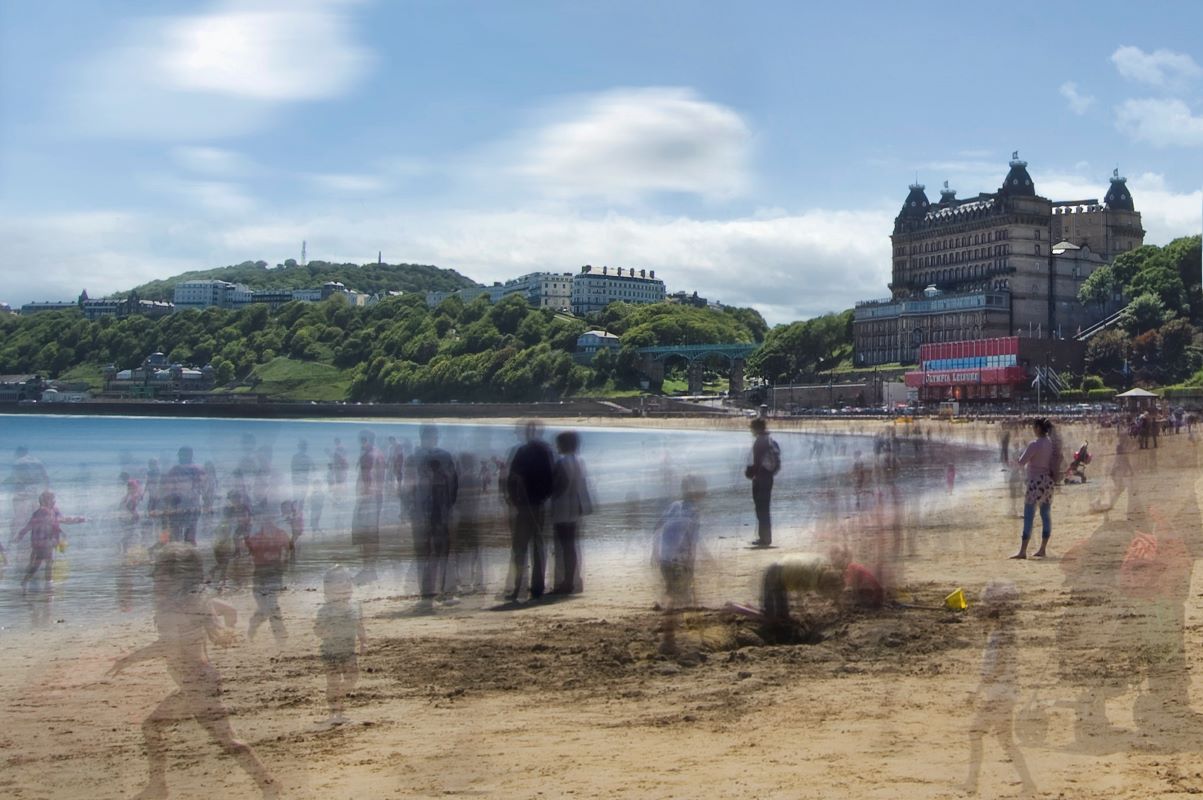
Northern coastal towns once thrived on industry and tourism. However, with the rise of budget holidays abroad, they have faced prolonged decline, falling far behind their southern counterparts. While most southern coastal areas have prospered through investment, tourism and regeneration, towns like Scarborough, Grimsby, and Blackpool have struggled to achieve the same resurgence.
Although the majority of deprived coastal towns are in the North, the South hasn’t escaped hardship entirely. However, the reality is that many southern resorts are thriving due to their proximity to the affluent home counties and London. Northern coastal towns historically relied on industries such as fishing, shipbuilding, and mining. With the decline of these industries in the 20th century, communities were left without a clear plan for economic recovery. In contrast, the South has benefitted from its closeness to London and the rise of finance, technology, and service sectors, which have helped revitalise many of its coastal towns.
Shift in tourism and infrastructure investment
Tourism is a critical economic driver for seaside towns, and it has moved southward. Southern towns, like Brighton, Bournemouth, and Dartmouth enjoy warmer weather and direct connections to major cities, making them popular with tourists and second-home buyers. Northern towns, often colder and harder to reach, struggle to compete.
Coastal towns in the North have long suffered from a lack of infrastructure investment. Poor rail and road links, coupled with underfunded public transport systems, make these areas less attractive to businesses and visitors alike. The South, by comparison, has seen far more attention given to transport development, providing smoother access to its coastal gems and making them more viable for businesses and tourists.
Economic imbalance
London-centric economic policies further compound the North’s struggles. For decades, the focus has been on boosting the capital and the southeast, often at the expense of the North. This imbalance is deeply felt in coastal towns, where local authorities lack the funds or political clout to push for significant regeneration projects. In contrast, many southern coastal towns have benefitted from more proactive regeneration schemes focused on tourism, culture and green technology.
Adding to the challenge are demographic shifts. Many northern coastal towns have experienced depopulation, with younger generations leaving to secure better job prospects in larger cities. Those who remain tend to be older, creating a demographic imbalance that strains local services while reducing the economic dynamism of these areas. Southern coastal towns, especially those within commuting distance of London, have seen an influx of young professionals and second-home owners who contribute to their local economies.
Environmental and housing pressures
Environmental challenges also play a role. Coastal areas in the North often face more severe weather and environmental degradation, from coastal erosion to flooding. These issues deter investment and complicate long-term planning. Southern coastal areas, though not immune, tend to face less severe impacts, and often have the resources to address them more effectively.
The quality of housing is another contributing factor. Much of the housing stock in many northern coastal towns is ageing and poorly maintained – a relic of their industrial past. These areas have not seen the same level of property market investment as their southern counterparts, where higher property prices and demand from wealthier regions have driven regeneration.

The rise of second-home ownership
In a few popular northern resorts such as Whitby and Robin Hood’s Bay, the rise in holiday home purchases – mainly by wealthy Londoners – has created a growing crisis for local communities. While these picturesque towns have long been attractive to tourists, the surge in second-home ownership is turning once-thriving communities into ghost towns for much of the year. Streets once filled with local families now sit eerily quiet during off-peak seasons, as holiday homes remain unoccupied.
This trend drives up property prices in areas where wages are often low, making it nearly impossible for local residents – especially young people – to get a foot on the housing ladder. Many are forced to leave their hometowns in search of affordable living and better opportunities elsewhere, draining these communities of their future generations.
Governance and policy gaps
Until recently, one of the primary obstacles to addressing the housing crisis in coastal regions was the lack of regional control over housing policy. Decisions about housing regulations, second-home ownership, and development priorities have traditionally been made in Westminster, often overlooking the unique needs of local communities.
Wales, by contrast, has been proactive, introducing ground-breaking measures to tackle the impact of second-home ownership. Welsh authorities have the power to impose significant council tax premiums on second homes, with rates reaching up to 300%. They have implemented policies to limit holiday home purchases and support community-focused housing strategies. These initiatives have demonstrated how regional governance can drive targeted and effective solutions leading to national government policy that has now been extended to England.
The need for regional governance
Without stronger local governance and greater autonomy for Yorkshire and other coastal regions, the problem is likely to worsen. Entire communities risk being hollowed out, with local shops, schools, and services unable to survive in areas where the permanent population is shrinking. For towns like Whitby, regional control would allow for tailored housing policies to protect local people, limit second-home purchases, and support a sustainable tourism economy that benefits everyone – not just wealthy holiday homeowners
Economic and cultural limitations
Northern coastal towns also face challenges in fostering cultural appeal. Southern resorts such as Brighton and Margate have successfully reinvented themselves as hubs for art, music, and culture, and are consequently attracting younger, more affluent crowds and nurturing creative industries. Conversely, northern coastal towns have struggled to shed their image of decline.
The economic picture remains bleak in many northern towns due to limited business investment. Companies are reluctant to set up operations in areas with poor economic prospects, resulting in fewer job opportunities and stagnation. In contrast, flourishing southern coastal towns are more likely to attract businesses eager to tap into expanding populations and superior infrastructure.
Addressing the north-south divide
The economic, structural and cultural divide between the north and south of the UK seen across our coastal towns is a complex web of historical, geographical, and political factors. While southern resorts benefit from a balmier climate, higher investment, and proximity to the economic powerhouse of London, northern coastal communities have faced a far more difficult journey. Without a concerted effort to address the root causes of their decline, the future of northern coastal areas remains uncertain, leaving a significant part of the country disconnected from the prosperity enjoyed in the South.
Empowering left-behind coastal communities
Centralised governance from Westminster has consistently overlooked the unique challenges faced by northern coastal towns, resulting in decades of underinvestment and neglect. A more effective solution would be to empower local communities by establishing regional governments with local, elected representatives. Decentralising decision making would allow for policies directly tailored to local needs regarding economic regeneration, improved infrastructure, supporting tourism, and fostering modern industries. This approach would inject much-needed accountability, investment, and innovation, enabling northern coastal towns to take control of their future and to actually thrive.

CLICK HERE TO DONATE TO OUR CROWDFUNDER
HELP US BECOME STRONGER SO THAT WE CAN CONTINUE TO DELIVER POWERFUL CITIZEN JOURNALISM!