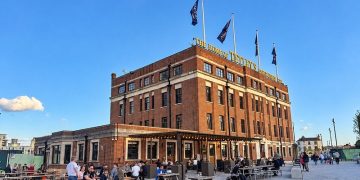
York’s flagship business incubator, Spark, had its council lease extended to 2030 in March, despite no business graduating into permanent premises since 2024. With the cost-of-living crisis making that leap too risky for many, established traders are staying put for years after securing their restaurants, stalling the waiting list, and raising questions over whether Spark still works as the ‘incubator’ it claims to be.
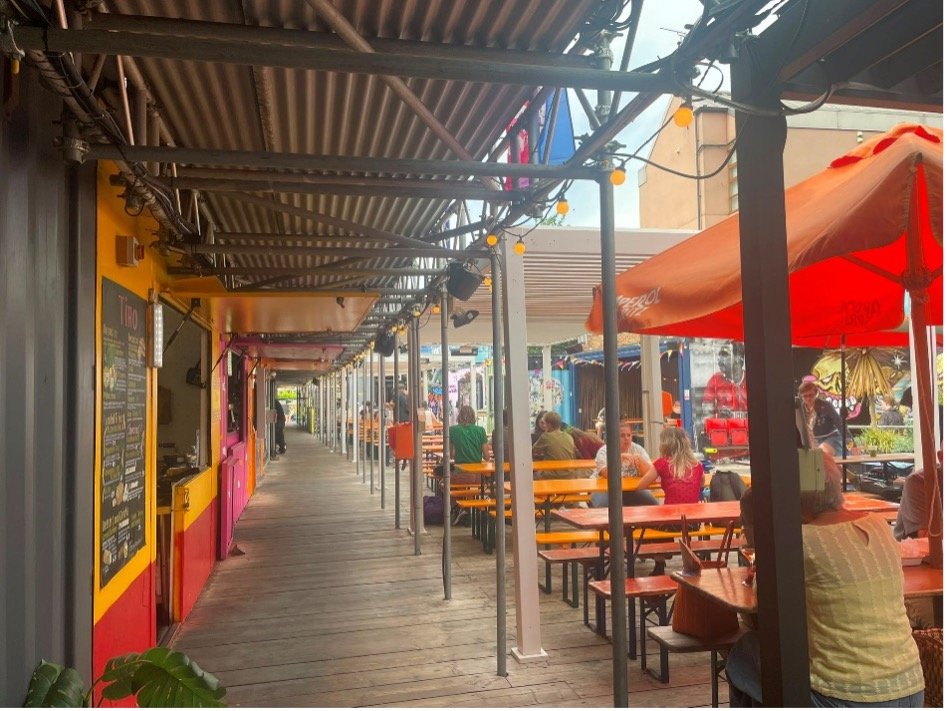
When Spark York opened on Piccadilly in 2018, it promised something new for York hospitality.
Built from shipping containers on council-owned land, the venue was designed and marketed as a business incubator: a place where entrepreneurs could test ideas in affordable premises before graduating into permanent bricks-and-mortar locations across York.
Speaking to Enterprise Works, the University of York’s entrepreneurship and business support initiative, Spark co-founder Sam Leach, described the vision behind the community interest company (CIC): ‘The goal was always to offer space where people from all walks of life could test, build and grow their ideas… We also realised we could subsidise community groups who couldn’t afford central locations to meet. It was all about letting people have a go.’
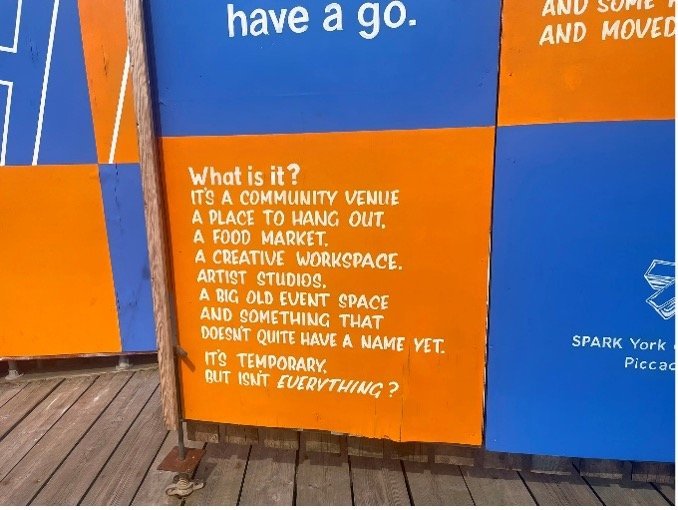
A not-so-temporary arrangement
Eight years on, Spark says 25 businesses have successfully transitioned into independent premises since opening, with restaurants, retailers and bars going on to establish themselves across the city. Some alumni have even collaborated to launch new ventures, while two have earned places in the Michelin Guide.
Last year, the City of York Council agreed to extend Spark’s lease until 2030, recognising its continued contribution to the city and giving the project certainty for another five years.
However, Spark’s graduations have stalled. A list provided by Spark suggests the flow of businesses graduating into permanent premises has slowed considerably in recent years, with no new graduates since 2024. At the same time, several established traders, including Rad Pizza, Clucking Oinks and INOS, continue to operate from Spark years after opening.
Malkani Wijesinghe co-owns Elephant Feast, a highly regarded Sri Lankan restaurant in Huntington. She believes that it would benefit greatly from a more central location but has limited opportunities for affordable options in the city centre. She has found herself on the waiting list for a permanent stall for over a year.
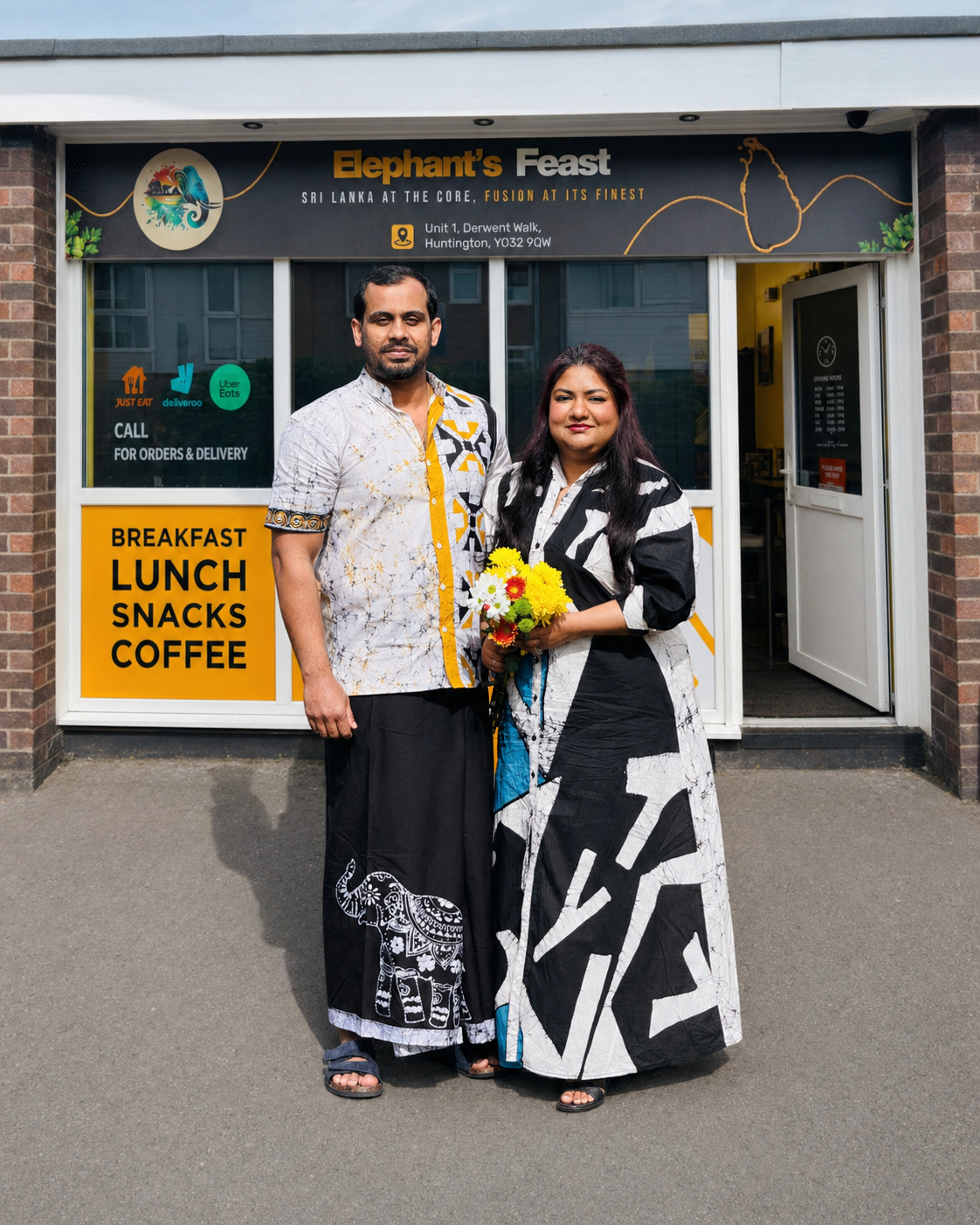
“I love Spark. I think it’s a great place for propping up businesses: we’ve had a pop-up event there before and found it to be very successful. However, getting a permanent place is difficult because many restaurants stay for years after securing a placement, which makes the waiting list grind to a halt.”
An industry under pressure
With Spark having advertised no change to its previously successful business model, one might ask: what happened?
For Mike Brand, founder of Clucking Oinks, the answer is clear.
Clucking Oinks opened at Spark in 2018 and became one of Spark’s best-known traders before expanding into its own city-centre restaurant, building a loyal following in York and winning awards across the country. Despite the popularity of the brand, the restaurant closed earlier this year, amid mounting costs. Brand has since opened a new site in Newcastle.
“It’s not just Spark,” he said.
Brand believes hospitality has faced wave after wave of financial pressure since the pandemic.
“We had Covid, then the Ukraine war, which shot up food prices, then the energy crisis; and instead of supporting us they raised minimum wage, taxes and National Insurance.”
He argues that VAT on hot food remains one of the biggest structural problems facing independent restaurants.
“Germany is 7%, Spain is 10%, Ireland 9%, and we’re sitting on 20%.”
“The biggest problem is nobody’s making a big enough profit to grow… We’re doing stuff to survive: there’s no growth.”
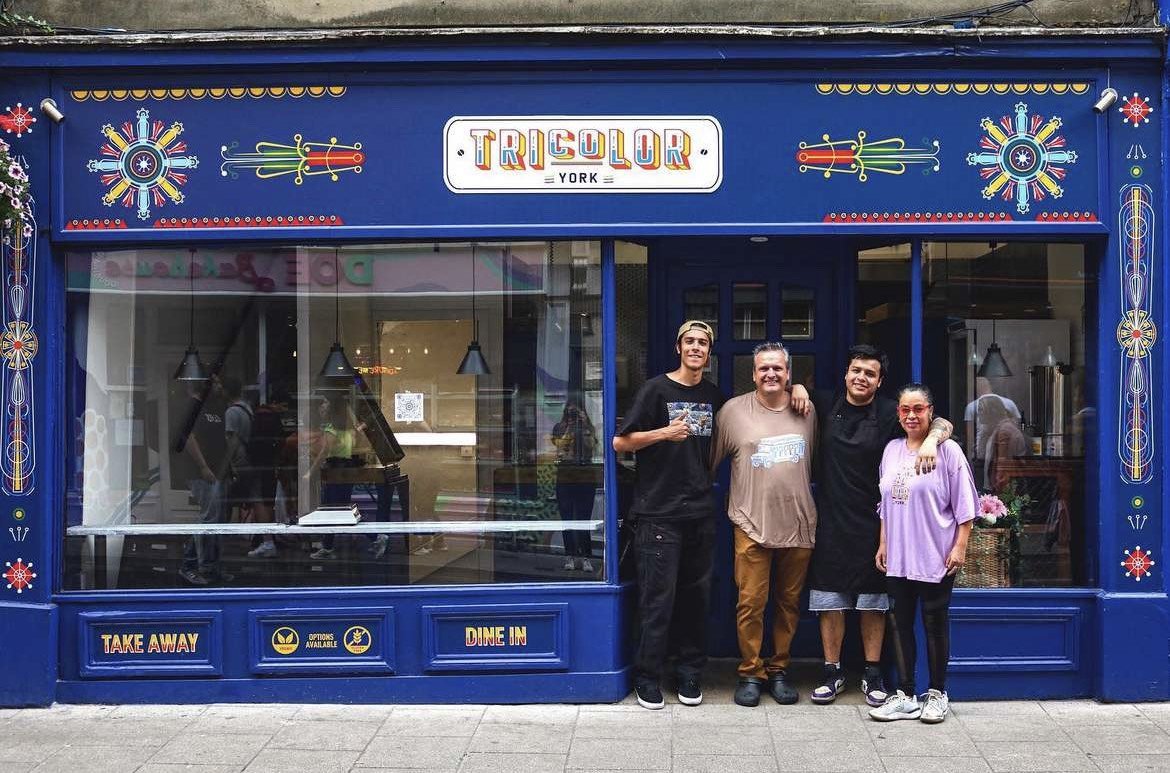
But not everyone shares that view. Pablo, who runs Tricolor with his family, graduated to a restaurant from Spark four years ago, in the midst of the cost-of-living crisis. While he agrees the move was challenging, he believes hard work can offset rising costs.
“We thought all the customers would come to us because they knew us from Spark, but people go to Spark – they don’t automatically come to Tricolor.”
The family effectively had to rebuild their business from scratch. Today, however, Tricolor has established itself as a successful independent restaurant. Pablo believes the economic pressure is real but insists determination and a sound business model remain the deciding factors.
Balancing survival and new opportunities
The model Sam promotes at Spark seems at odds with the graduation data: businesses are expected to test their concept, establish themselves and move into permanent premises, creating space for the next generation of entrepreneurs. But with graduations halted by the cost-of-living crisis – and three of the most successful vendors, with successful graduations, choosing to stay – Spark may have simply stopped being a CIC and become a commercial business.
On the other hand, this situation could be viewed as a success, albeit coming at the cost of reduced opportunities for the next generation of entrepreneurs hoping to secure one of the limited units. After all, economic conditions have changed considerably since Spark opened in 2018, and the current system is helping businesses to survive one of the toughest periods the hospitality industry has faced.
Spark now finds itself balancing two equally important ethical responsibilities: helping established independent businesses to survive, while ensuring there remains space for the entrepreneurs who hope to follow them.
Tom McKenzie, founder and co-owner of Spark, gave the following comment:
When we opened, the hope was that one or two businesses a year would graduate and move on, but originally, up until around 2024, there was a lot more than that.
Now we’ve noticed there’s a lot more trepidation in terms of graduating on to permanent premises.
We can’t tell people to leave with nowhere else to go just for the sake of them leaving because we want to support them to exist and do well.
Variety and change is what makes us interesting as a venue to visit, but it also definitely brings risk, and things have certainly started slowing down in terms of businesses naturally choosing to move on the high street.
An earlier version of this article was published by the York Press.
More in Region


Bylines Network Gazette is out!
The latest Bylines Network Gazette is out now. Become a Friend of Bylines Network or upgrade to a paid Substack subscription, and you will get access to a vital collection of citizen articles and stories.
Journalism by the people, for the people.