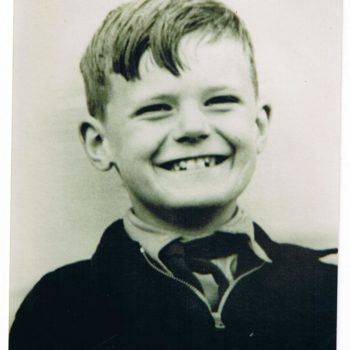
I have recently been reading a book and a newspaper from earlier times. In both cases, the subject matter rang bells with my own life and experience.
The book, A Yorkshire Suburb written by W Riley and published in 1920, is a description of a Yorkshire man of the time. Both my wife Moi and our daughter Rachel have said this book describes me to a T. I have yet to decide whether or not this is a compliment.
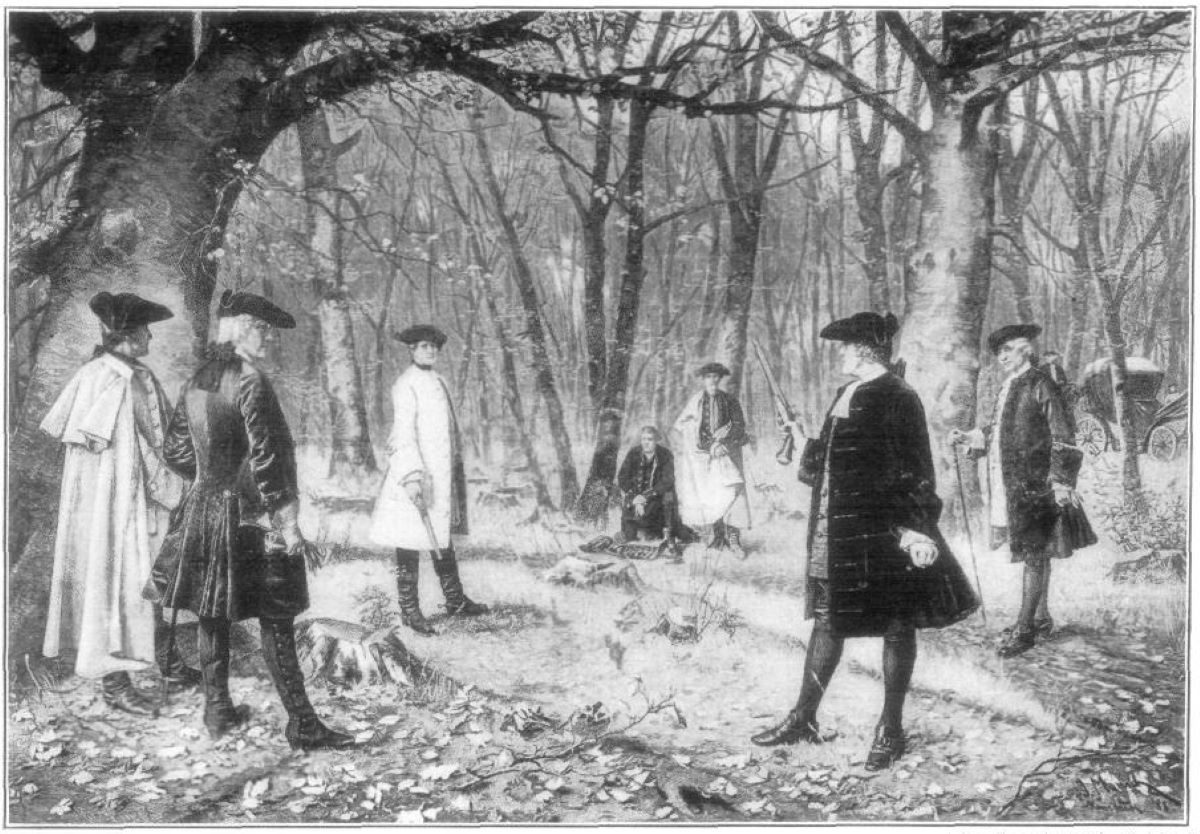
One of the articles in the old newspaper raised the issue of a dispute that was likely to lead to a duel, which brought to mind my encounter with a young German duellist in the 1970s.
“Queer-sticks” but with sound judgment and a tender heart
According to Riley’s book, the typical Yorkshireman, rightly or wrongly, is looked upon as a man of “boorish manner and uncouth speech”. A Yorkshire man is “a hard bargainer”, lacking in tolerance and, he says,“consequently intolerable”. He is “nauseously self-satisfied and pig-headed” and as little worried about social propriety as the animal itself.
He describes us as “queer-sticks”, in other words unusual, and also not worried about others’ opinions of us, which I think we might have to agree with. We probably do, as he suggests take seriously the Yorkshire maxim, “If tha does owt for nowt, do it for thysen”.
He does find positive attributes in the Yorkshire character. His Yorkshire man dislikes“pretence and cant”, and is happy to admit his weaknesses. Furthermore, he has “a dogged perseverance, great strength of will, sound judgment, ready wit. And withal he has a heart that is very tender”.
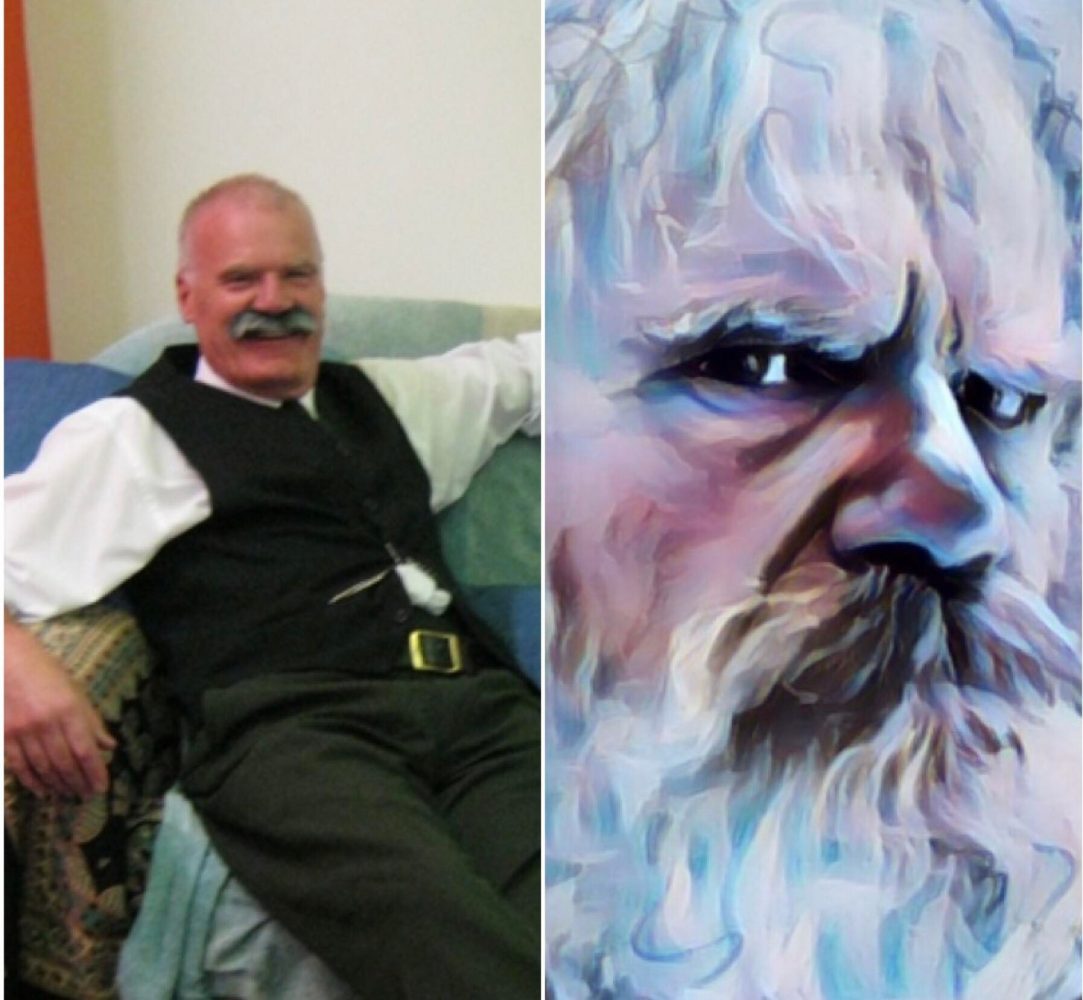
You may be able to read these various contradictory characteristics of the Yorkshire man into two recent depictions of your author:
A huge reward in 1805 for a lost dog
Another publication that I found fascinating was the London Times, the forerunner of The Times, 7 November 1805. I came across a page of this newspaper during a house clearance. It was a published report written by Admiral Nelson’s second in command, Admiral Collingwood, following the battle of Trafalgar earlier that year.
Although this was fascinating in itself from a military point of view, it was the reverse side of the page that I thought most amusing. Among separate advertisements seeking companionship from noblemen, gentlemen and ladies, there was an advertisement for a safe return of a “strayed or stolen King Charles Spaniel, brown and white; broad blue ribbon round its neck – answers to the name of ‘Charlie’ – Address, A.Y.Z, Gloucester Coffee House, Piccadilly”.
Areward of £10.00 was offered. £10.00? This was in 1805, when the average weekly wage was 11 shillings (55p), so this was approximately 18 weeks’ wages. It was either a very special dog or a very special blue ribbon.
The veiled threat in a seemingly polite correspondence
In another section on the same page there was a law report: The King v Ralph Sheldon, Esq. It seems Mr Sheldon had been offended by a Mr Dickens for forcing a gate across his land, leading to his determination to seek a form of vengeance common at the time: by duel.
A law had recently been passed making duelling illegal, which didn’t stop Mr. Sheldon, who, in my humble opinion, seems to have been a bit sensitive. But I have to say this correspondence is much more gentlemanly than the more modern “I’ll see you in the car park in a minute, pal”.
I have slightly edited the letters between the potential protagonists partly to show what sort of news was available in those days compared with much of the trivial trash that passes as news nowadays, partly to show how seemingly politely but in reality dangerously people could fall out with each other, and partly because the nature of the threat in the letters is so interestingly veiled:
“Sir,- was, yesterday evening informed of your unwarrantable and insolent conduct in forcing my gate, I have only to add that I consider it a point of insult to myself and expect the satisfaction of a man of honour.”
R Sheldon.
“Sir,- I got home late last night, and were it not for one or two rash expressions in your letter I should have sooner explained.”
T Dickens.
“Sir- There were no expressions in my letter which your proceedings do not warrant. You could not have done a more ungentlemanly act; You may beat down my gate, but you cannot make a gentleman put up with an insult. I am determined to take the only alternative of which a man of honour can avail himself.”
R Sheldon.

Duelling: the gentlemanly (but deadly) way of settling disputes
For centuries duelling was seen as the only way that officers and gentlemen could settle an insult, and either party would run the risk of being ostracised for not challenging an insult or for declining the challenge. One of the main reasons duelling was losing favour in polite society and the law was that many gentlemen were losing their lives over the most trivial of insults.
A famous/infamous example was in 1805 when two British military officers fought a duel over whose dog was to blame for attacking the other’s dog. Even though this duel was illegal, nothing was more important to them at that moment than settling this score like gentlemen. The duel took place that evening. They stood bravely six yards apart and shot each other. One was wounded and the other killed, and I’m sure the dogs didn’t care. These needless deaths had to stop.
My encounter with a duellist
Duelling was not made illegal everywhere; the facial scars of German military officers were regarded as a badge of honour and a sign of great bravery.
During my time taking part in fencing with my little brother Nick in the late 70s,we met a young German chap named Felix, who claimed his very prominent facial scar was gained whilst he was a member and student of Normanniazu Heidelberg University in the fatherland. (The reader is now invited to picture someone stood ramrod straight just after clicking their heels.)
Apparently, duels were carried out during the comrade initiation system. It all sounded very dodgy to me, but who knows what honour I would have offended had I questioned his word while he had a sword in his hand.
A ‘sport’ that was still secretly practised
The sport (for want of a better word) of duelling in certain elite German universities was not widely advertised and probably denied in polite society. Even though I don’t know if this sort of thing goes on now, and I suspect it doesn’t, it certainly did when I was fencing 40 years ago. Death was not the main aim, and insults were not necessary either.
Two protagonists full of testosterone, adrenaline and bravado would fit a leather guard over their eyes and nose which also had metal bars for added protection for the eyes. The participants would then stand still and face each other a sword length apart (the sword would likely be a sabre). They would then slash in turn at the opponent’s face until one got his defence wrong and blood was drawn, at which point the contest was won and lost. I suspect that both would claim to have won something.
I suspect that this supposed act of bravery would be similar to a certain recent Prime Mister placing his wedding tackle in the mouth of a pig during an initiation ceremony while he attended an elite British university. At least I thought it was brave until I discovered that it was a dead pig.
It takes all sorts I suppose.