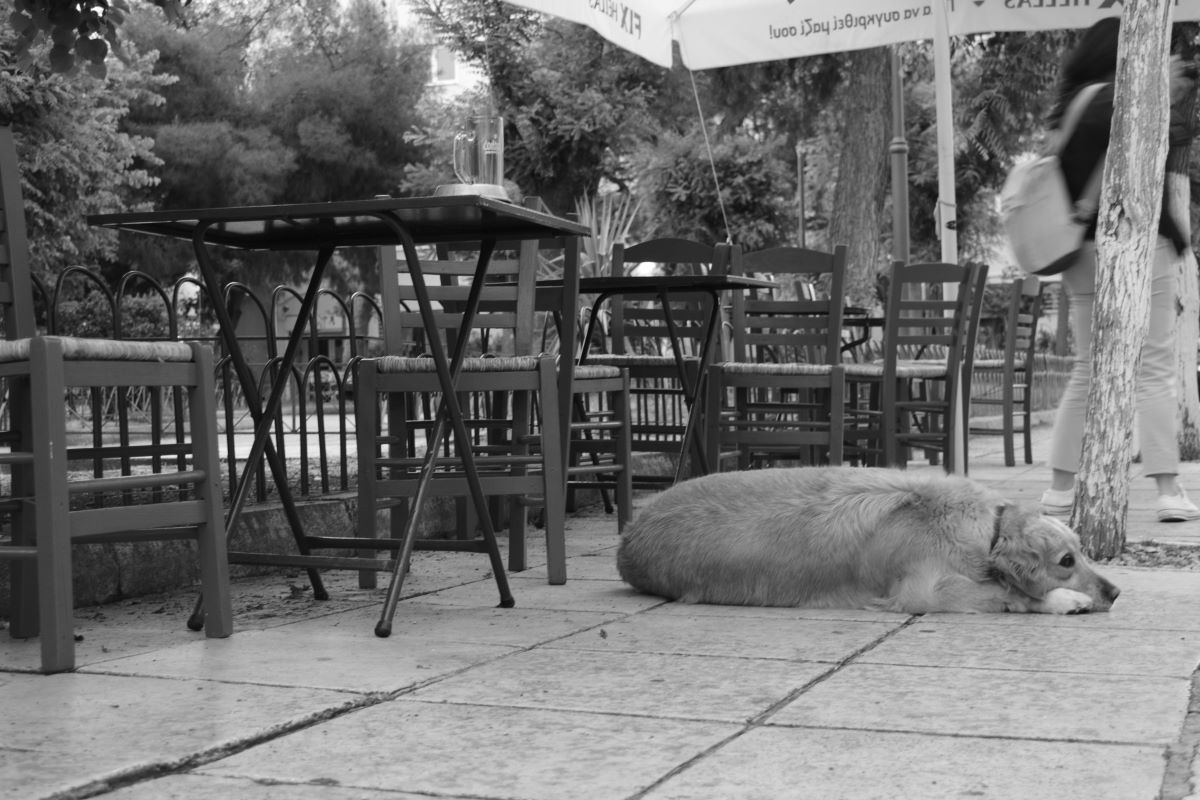
It seems as though everywhere you go in the UK these days, you cannot escape the presence of dogs; be it their incessant barking (usually at some anti-social hour), their excrement left hanging in plastic bags from hedges or on pavements. Then all those dog-friendly restaurants and pubs where you are expected to enjoy a meal or a drink while having to put up with a yapping dog.
Have dogs become a burden on society?
Only a few years ago, when the justification was a matter of food hygiene or consideration for other people, dogs (except assistance dogs like guide dogs) were not allowed into cafés, bars, etc. Nowadays, it can be hard to find a place where they aren’t allowed.
I believe that the sheer increase in the size of the dog population in the UK (and beyond) and the impact on the environment, needs to be understood more widely. These factors may not always be considered when someone decides they want a dog.
There was a significant increase in the dog population during the Coronavirus pandemic. But the adorable puppies that some people bought, have now grown up – and are out and about affecting the non-dog owning population’s (around 70% of us here in the UK) quality of life. The growth in the trend for working from home, first encouraged and later discouraged by the government, may also have affected decisions on whether to own (and then give up on) a dog.
It was, I believe, wrong to have stopped the need to licence dogs in 1987. One of the consequences has been that there is no longer any accurate record of the size of the dog population. According to a Nature Scientific Report (December 2024), the 2019 UK dog population was estimated at around 12.64 million, though exact numbers are unknown.
Owning a dog requires time and commitment. Its needs must be met, and you need to be its reliable companion.
All your heart desires: the over-consumption of pet ownership
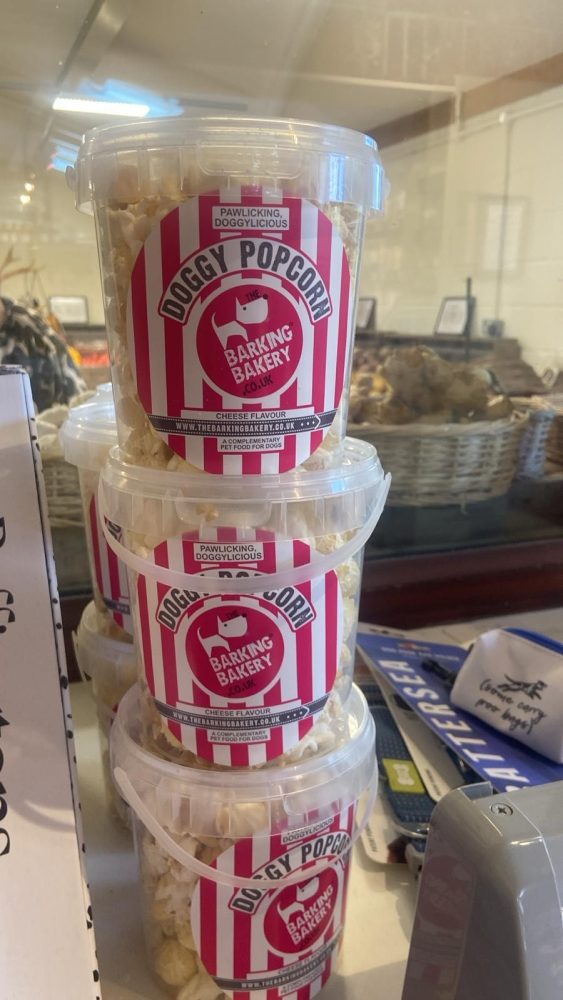
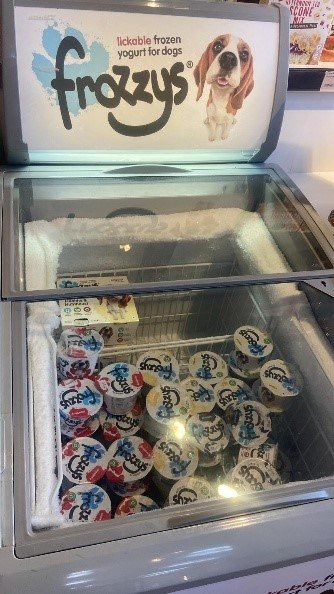
The huge industry behind dog ownership includes anything from dog photography, chews, walking, pushchairs, grooming parlours, insurance, care and health services, birthday parties, and dedicated exercise fields. We’re not quite at ‘humans getting married to a dog’ yet, although dog to dog marriages in the US today, could happen in the UK tomorrow!
At the end of the dog’s life, whether it’s dealing with the emotional loss or the disposal, there are many ways (depending on your budget) of dealing with its death. The web meets all needs, from sympathy cards to memorabilia.
A lot of endeavour and resource is devoted to dogs. The adage applied to the state of the nation applies equally here: ‘the country has gone to the dogs’ (with a multi-billion-pound industry revolving around them).
Dogs are pack animals and, even after humans first domesticated wolves, that instinct is still there. Dogs display signs of ‘loyalty’, but this, like so many other aspects of applying human values to an animal, may be misinterpreted.
There is a considerable body of evidence on farm livestock, particularly cattle and their emissions contributing to greenhouse gases. Yet, the environmental impact of owning a dog also has considerable and adverse impacts on nature.
They, and the owners who allow it to happen, contribute to the problem of dwindling wildlife. The nests of ground-nesting birds destroyed, hares coursed illegally, and farm animals mutilated particularly sheep (warning: graphic images).
Pet food production is a multi-billion pound industry, with a value, for dogs alone, of £1.59bn in 2021. Yet it is hard to uncover real information on any positive steps this industry is taking to mitigate its environmental impact, even including sustainable food production claims.

The designer puppy: just for Christmas
Dogs have become a consumer item. They are bred on an industrial scale only slightly more regulated in the UK, than, for example, some parts of continental Europe and elsewhere, where it goes largely unregulated.
Dogs have been selectively bred over the centuries, resulting in genetic defects which can cause pain and suffering. Over-breeding and inter-breeding has led to brachycephaly (snub noses), elongated bodies, short legs, fur over the eyes, over-long ears and so on, creating health issues that only profit those involved in domestic canine health.
There is perhaps one positive outcome from this and that is the cross fertilisation of learning between veterinary research and human health.
But, just like any consumer item, dogs can be discarded. For whatever reason, when a dog owner can no longer look after their dog, often the charity sector steps in, funded by the dog-loving public, to look after dogs that are no longer wanted or simply abandoned.
Sometimes the root cause would appear to be general ignorance of the basic requirements of dog ownership.
Dogs are not always ‘man’s best friend’. There has been an increase in the number of dogs attacking people and the statistics for the number of people killed by dogs in England and Wales shows an alarming upward trend: 32 between 2019 and 2023:
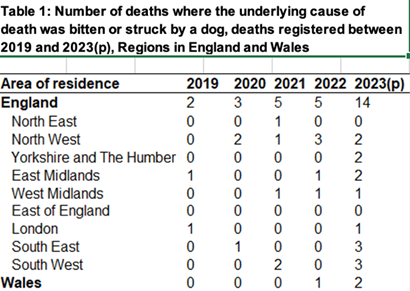
Each death tells a tragic story. Postal worker dog injury statistics are shocking.
It has to be some relief that we do not suffer from rabies in the UK, yet that risk is ever present. Figures from around the world indicate that there are around 59,000 deaths from rabies annually. (Dogs are not the sole carrier/transmitter of rabies).
Suggested steps to curtail canine neglect
In order to ensure responsible dog ownership, one step the government could take is to implement a mandatory educational awareness course (similar to driving lessons and test). These would outline all that is involved in owning and caring for a dog throughout its life, including likely costs.
It would be paid for by the people intending to own a dog. A unique security-coded certificate would then be issued upon satisfactory completion of the course and would then need to be provided as evidence prior to purchasing a dog from an inspected and regulated licensed breeder.
An alternative would be to expand the rescue dog rehousing assessment undertaken by a responsible body like the RSPCA, to determine whether or not a potential owner’s lifestyle is appropriate for the type of dog that would be housed with them. Such a measure would reduce so many of the problems that animal welfare charities exist to deal with, and it would set a standard.
Many dogs are left on their own inside a house during the day. This is cruel, and more so for a dog bred for active purposes, such as say a sheepdog or husky. Simply trapping an animal that was bred for an active life in a house is objectively cruel, yet this is the norm for many dogs.
Reintroduce dog licensing
A dog licensing scheme could be reintroduced, along with improvements to the compulsory microchipping of dogs (Battersea Microchip Report 2023, p22). The government can then introduce some other means of revenue capture.
That may well then go some way in curtailing those words I regularly hear at the supermarket checkout till, as a dog charity volunteer calls out (after I’ve just spent a small fortune to keep myself alive!): ‘Are you a dog lover?’