Ten for Nature woodland, fields and hedgerows continue to create excitement, confirming that when nature is allowed space to get serious in a habitat that is diverse, it blossoms. There are fewer butterflies this year, but an explosion of moths and some exciting new birds.
Wow moments at the annual moth count
The annual summer moth count took place just a week ago, a hot day with a few hours of rain. The rain did not, however, dampen the range and numbers of moths and micromoths, with a total of 1700 moths counted in the five traps. We recorded 177 different species in this one night and the first sightings of two moths in North Yorkshire. The result was a seriously happy moth recorder team with a site number of 324 moth species, 52 of them new, in one moth trapping night. Charlie Fletcher, North Yorkshire County moth recorder, said it was possibly the finest moth trapping night in North Yorkshire for a decade!
Our county recorder further commented: “Best moth was probably Caloptilia semifascia which is new for the Harrogate area. This forms leaf rolls on field maple, and may be from your ancient field maple tree, though it might be using the younger ones. Second best moth is the Small Ranunculus, a second for the Harrogate District and the first time I’ve seen it.”
Two ‘wow’ moments, for sure, which remind us again that nature can regenerate when given space and appropriate plantings. We have planted numerous native tree species, including field maple, aspen and alder amongst many other species, and all have encouraged a moth species linked to the specific tree to breed.

Flycatcher excitement and fledglings all over the place
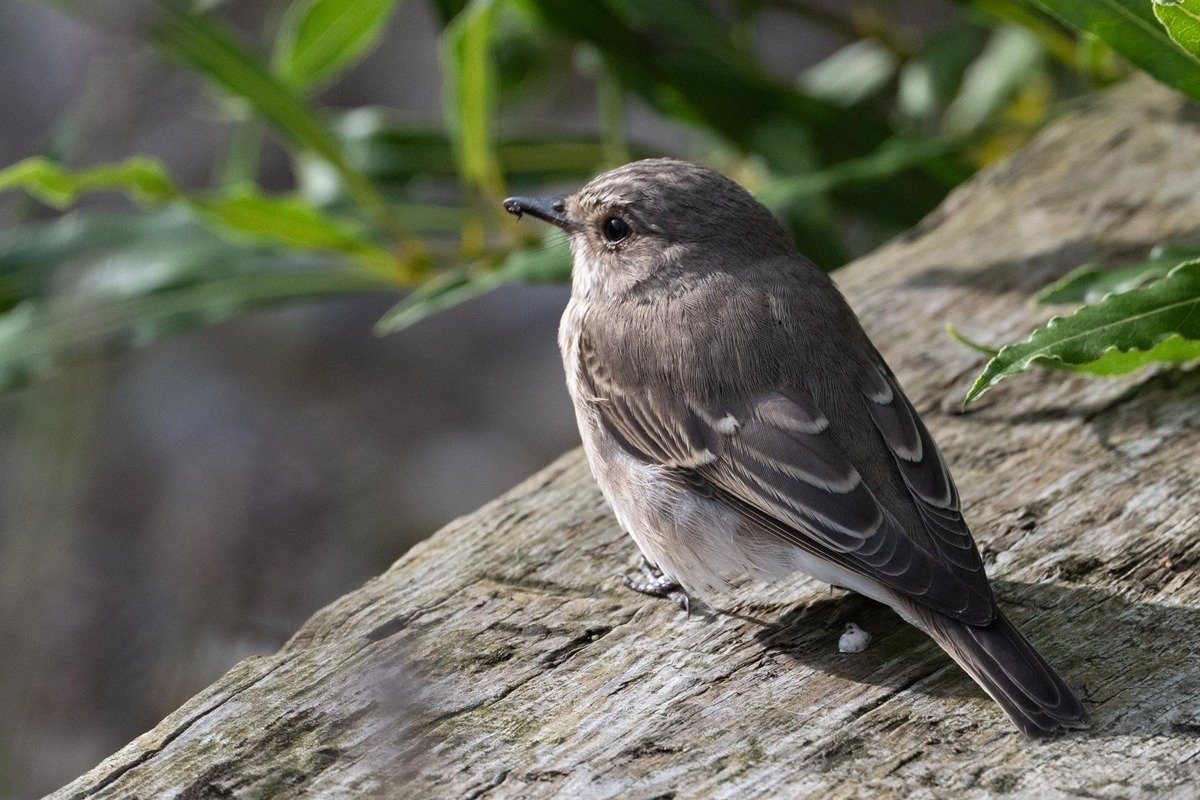
Numerous other finds included the sexton beetle, in substantial numbers, and many catchflies. This expansion of insects is attracting some unusual birds and the hoped-for plans that spotted flycatchers – a significant red listed bird – would nest came to fruition. Such excitement in late July, when, on the antenna of the house, we spied a flycatcher discovering all the available insects including mayflies and flying ants.
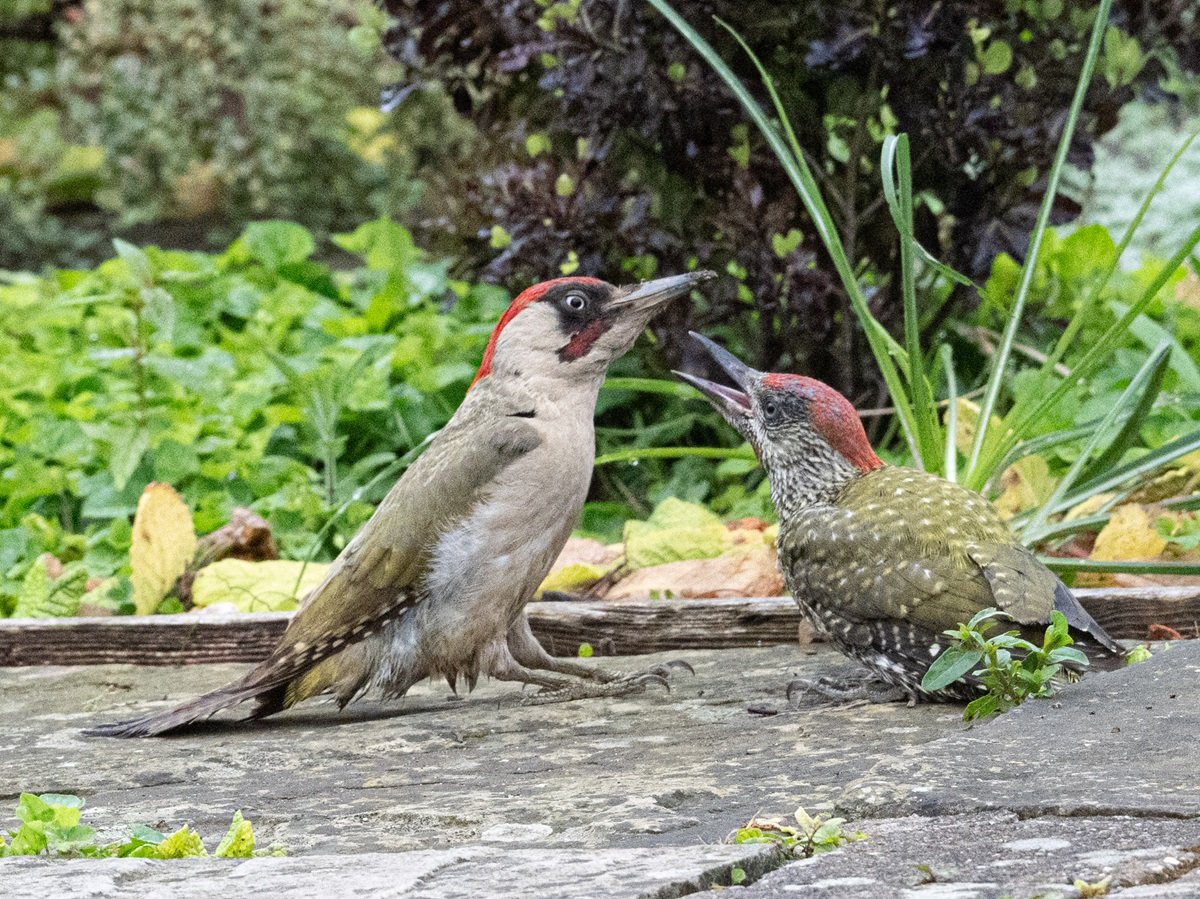
Bullfinches also bred here this year. The young fledged all over the place, exploring all the numerous hideaways in long grass under hedges, and flitting through rowan, sliver birch, white beam and other trees. The one to three-metre tree whips are now decent sized trees in need of winter containment. Chiffchaff, willow warbler, wren, robins, all variety of tits, except crested tits, bred here over the summer as well. Even hedge sparrows arrived to take over the swift boxes for their nesting and found the joy of grass and other plant seed foods everywhere.

An osprey project next perhaps?
It seems that as we think about what bird species could be attracted next with planting or site changes, they then arrive. And so it was with the osprey, which has been in the area of 40 square miles for this and last summer.
Mid-afternoon, collecting yellow rattle seeds in the now well-established meadow, a pitiful unrecognisable bird cry was heard in the sky. Luckily a day when our field help, and resident bird expert, was working and declared it to be a young osprey circling above the fields making a food cry to parents. It had fledged and now had to be self-reliant for food. It was in transition to feeding itself and in the hope that its parents had not left for Africa, was calling on them for a snack!
Three minutes of viewing this favourite bird and another vision came to mind: maybe we could put up an eyrie on the hill and next year have nesting ospreys. Given our 90% success in bird species now breeding in the ten acres and numbers of birds increasing, this might well work.
We can’t for the moment summon the enthusiasm to construct an eyrie in this natural space. But a project for the future perhaps?
A blackberry takeover
The growth of the trees, hedges and grass has proven almost exponential, and the challenge of hedgerow containment will be an annual task for the skilled for many years. Blackberry stem arms reach out from so many hedge areas to root themselves in the ground and create more octopus entangling and snaring, bird-loved zones. These are creating ever safer places from predators, like sparrowhawks and jackdaws, the village cats and stoats.
The berries provide food for both birds, hedgehogs, other mammals and also us. Ten years ago, only an odd blackberry plant could be found on the fields; today it could be a blackberry takeover and so managing these too is added to the list. This work list is a diverse range of containment – growth no longer needs encouraging. Eight years on, nature has made the takeover, and how amazing that has been.
Butterflies struggling everywhere this year
Sadly, like elsewhere, the butterflies have struggled, though the clock can be set by the arrival of the daily brimstone flitting through the field or garden within 15 minutes either side of 13.00 hours. The increase from one or two sightings a year to daily in July and early August tells us this butterfly is successful here.
However, tortoiseshells: a few sightings and no more than three at any one time. Peacocks: two to four per day in the last week of July and first week of August. Red admirals: intermittent and low numbers. Meadow browns that skipped down the hills in numbers of 20-30 or more are so few as to be almost rare. Speckled wood and ringlet managed a good show in early July, yet numbers were down. Not so the whites, small and large, who dance with glee across hedges, fields at the smell of a brassica and in greater numbers than ever! Comma: two sightings. And oh for a painted lady: no shows at all. Weather and rain many of us think. A bit sad, as the butterflies have had several good years in the recent past.
Maybe next year…

Subscribe to our newsletters
Each of our Bylines sends a newsletter every month and we also send out a ‘Best of Bylines, featuring a selection of the best articles from across the network