

The Alliance for Yorkshire believes taxpayers should expect value for money and that unnecessary bureaucracy should be challenged. It is therefore reasonable to ask whether the current approach to English devolution is adding costs.
Genuine devolution is different from simply adding another layer of administration. If Whitehall and councils remain largely unchanged, and mayoral authorities with their own staff and offices sit between them, it is reasonable to ask whether taxpayers are getting value for money. That is not the model we believe England should be moving towards.
Proper devolution should transfer powers, responsibilities, budgets and the people and functions needed to deliver them from the centre to the regions. The Whitehall machinery that previously carried out those functions should then be repurposed, consolidated or, where no longer needed, shut down. Otherwise, regions acquire new staff, advisers and offices while Whitehall continues doing the same work. That is not genuine decentralisation; it is simply adding to government.
A smaller, more strategic Whitehall
Whitehall should still have a role. Central government would need to set national policy, maintain national standards and work with regions based on their various needs and arrangements. But where a responsibility has genuinely been transferred, the work should not continue to be duplicated in Whitehall. As more responsibilities are devolved, Whitehall should progressively become smaller and more strategic.
That does not mean making thousands of civil servants redundant. Some functions and staff would transfer to the regions, others at the centre could be consolidated and, over time, many posts would disappear through normal turnover. Whitehall should change as its responsibilities change.
The same principle should apply to local government. England has a complicated patchwork of councils, combined authorities, mayoral offices, police and crime commissioners, arm’s-length bodies and partnerships, many with their own procurement, IT, finance, HR and communications functions. Do taxpayers really need all of these structures? That does not mean every organisation is doing unnecessary work, but genuine devolution offers an opportunity to ask what is really needed, what can be combined and what can be removed.
Yorkshire as a test case
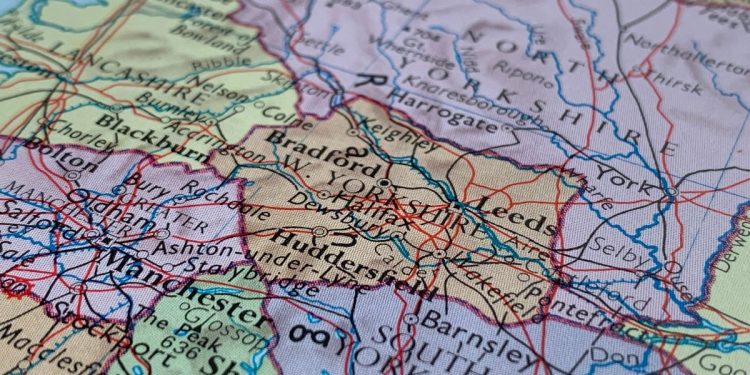
Yorkshire has four separate devolution arrangements: West Yorkshire, South Yorkshire, York and North Yorkshire, and Hull and East Yorkshire. Yet transport, economic development, skills, housing, energy, water, tourism, infrastructure and the environment all cross their boundaries. The four authorities do work together on some issues, but if important matters require Yorkshire-wide cooperation, why should it always have to be negotiated between four separate authorities?
That is one reason the case for a Yorkshire-wide democratic institution has not gone away. Harrogate and Knaresborough MP Tom Gordon has argued that giving more powers to four separate mayoralties risks deepening the divisions between them. He has proposed a Yorkshire Parliament with powers over education and skills, transport, health and social care, and housing and planning.
A clearer chain of accountability
This is not about taking everything away from councils; quite the opposite. National government should handle national matters, regional government regional ones, and councils local services. Local priorities should inform regional government, and regional priorities should in turn inform national government. That creates a much clearer chain of accountability.
Technology also means government doesn’t need to operate as it did thirty years ago. Common digital platforms, compatible data and shared procurement could reduce duplication considerably. The same applies to the consultants, advisers and partnerships that have grown around government: whenever their functions transfer to a region, the people, expertise and resources should transfer too, rather than being recreated.
Counting the cost
The issue is not simply how much regional government will cost, but which existing costs, functions and structures will disappear, transfer or be consolidated as a result. Whitehall currently spends considerable time determining policy, distributing funding, monitoring performance. If those responsibilities are genuinely transferred, much of that work would no longer need to be done from London.
If devolution means adding to government, taxpayers should be sceptical. But if it means reducing unnecessary Whitehall administration, transferring functions and expertise, removing duplication, rationalising public bodies and moving decision-making closer to the people, the calculation is very different. The cost of regional government must be weighed against the costs of the existing system it would replace.
A chance to get it right
With proper cost-benefit analysis, transparent budgeting and rigorous democratic scrutiny, Yorkshire can show what devolution means in practice, not simply what it might cost. We should ask what can be transferred from Whitehall, what can be brought together across Yorkshire, what can be shared between public bodies and what no longer needs doing at all.
Yorkshire has the scale, identity and democratic appetite to show that devolution can be about more than moving powers around. It can simplify government, reduce bureaucracy and, perhaps most important of all, give people a clearer voice in the decisions that affect their lives. If we get it right here, we can show that bringing power closer to people need not mean more government.
It can mean better government and a stronger democracy.
More from John Hall

Bylines Network Gazette is out!
The latest Bylines Network Gazette is out now. Become a Friend of Bylines Network or upgrade to a paid Substack subscription, and you will get access to a vital collection of citizen articles and stories.
Journalism by the people, for the people.