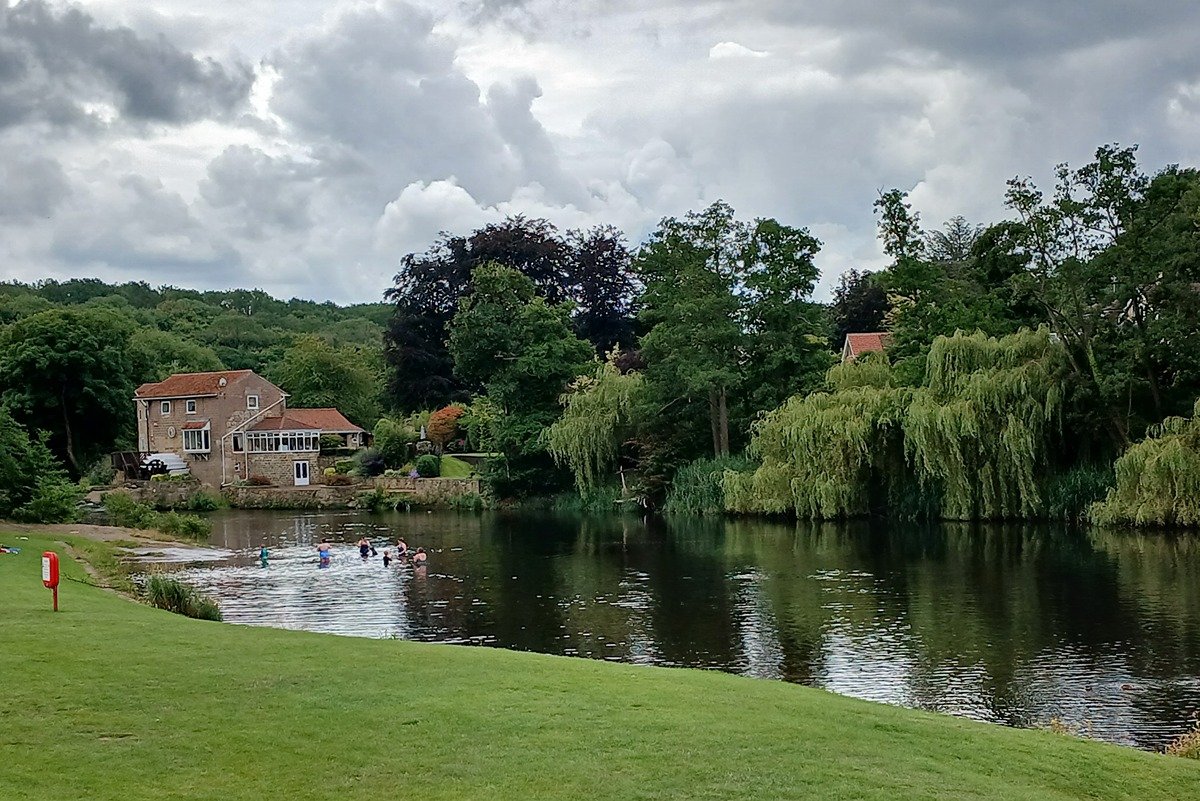
Environment Agency sampling for E coli at the Lido in Knaresborough earlier this month, provided the highest concentration yet – a record of 9,300 colony-forming units (cfu), ten times higher than the ‘sufficient’ level of less than 900 cfus.
Weekly sampling, since this stretch of the river was granted bathing water status in May, reveals that the sufficient level had been exceeded in 10 of the 11 weekly samples. So far, bathing water quality at The Lido, Knaresborough is continually judged to be ‘poor’.
In a recent press release, the campaign group, the Nidd Action Group commented:
“From available data it seems unlikely that combined sewer overflows or rain are responsible for this current high level. Local swimmers need to understand the causes of this high level of pollution and to know the actions likely to be proposed by EA [Environment Agency], YW [Yorkshire Water] and others to improve water quality at The Lido in a reasonable timescale.”
Dry conditions see raised E coli levels
They criticised the current EA advice, which is not to swim within 72 hours of rainfall, noting that this was inadequate:
“There has not been much rain recently. There was light rain in the area after 18.00 on July 15th and in the morning of July 16th, but the sample had probably already been taken by then. There certainly wasn’t any ‘Moderate or Heavy rain in the previous 72 hours’ that tends to produce raised E coli values – from treated and untreated human sewage, or from animal faeces washed into the river upstream.
“Treated human sewage is discharged into the river or becks more or less continuously, and sewage treatment works are not required or setup to remove E coli from the waste water that they legally discharge.”
Although the Nidd Action Group accepted the possibility that other potential sources of E coli could include private sewage treatment plants, which are not run by Yorkshire Water and include local septic tanks.
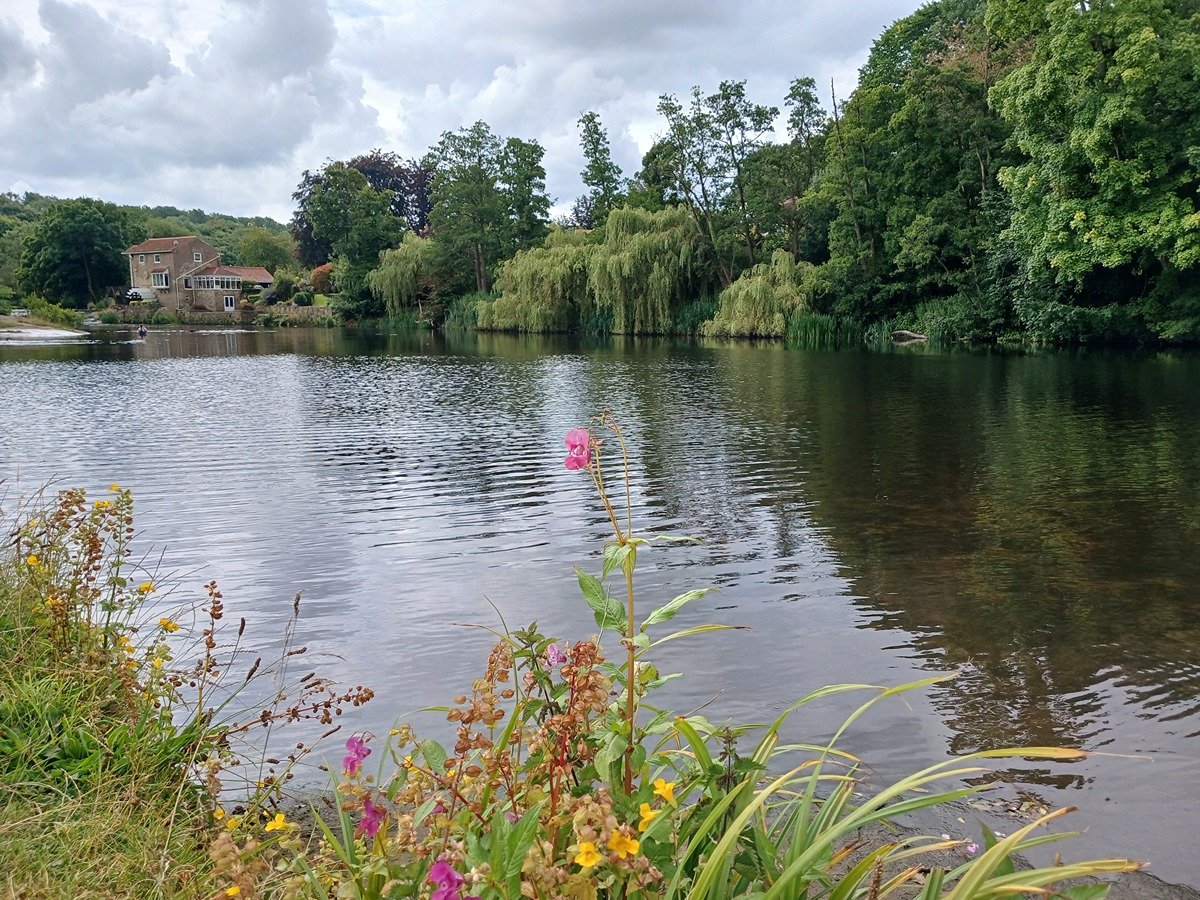
River Nidd – Image by Brian McHugh
Tracking the source of pollution
David Clayden, chair of Nidd Action Group, told Yorkshire Bylines:
“It looks like the recent high concentrations in dry conditions are being tentatively attributed to lack of dilution from a fairly constant source such as treated sewage or agricultural diffuse sources.”
He commented that other regional rivers are also blighted with high E coli readings, such as the Wharfe and that some of the monitoring there suggested that this was happening in dry conditions, rather than after rainfall.
He hoped that the involvement of Harrogate and Knaresborough’s new MP, Tom Gordon, or the new mayor of York and North Yorkshire, would ensure a coordinated, evidence-based action to better inform and protect users of the Nidd.
Yorkshire Water says ‘there is more to do’
A Yorkshire Water spokesperson said:
“We know there is more to do to improve water quality in Yorkshire’s rivers, and we’ve been actively supportive of the bathing water application on the river Nidd. As part of our business plan that’s currently in consultation, we’ve proposed investment at our storm overflows within 5km upstream of the Lido to reduce discharges in line with the Environment Act targets.
“In the meantime, we’re already underway with a £180mn programme to reduce discharges from storm overflows across the region before April 2025 – some of which are based along the River Nidd and its tributaries. We know that making this investment is by no means a quick fix, and we understand that our customers are interested in how frequently our storm overflows are operating now. In April this year, we launched an interactive map with near real-time discharge data, showing the live status of the overflow and when they last discharged to the watercourse.
“It is also important to note that river quality can be affected by many potential sources – for example, through agriculture. We’re working with many stakeholders to find pollution sources, and work with them to find suitable solutions. As we work together for the health of our rivers, we also welcome input from citizen science organisations such as the Nidd Action Group.”
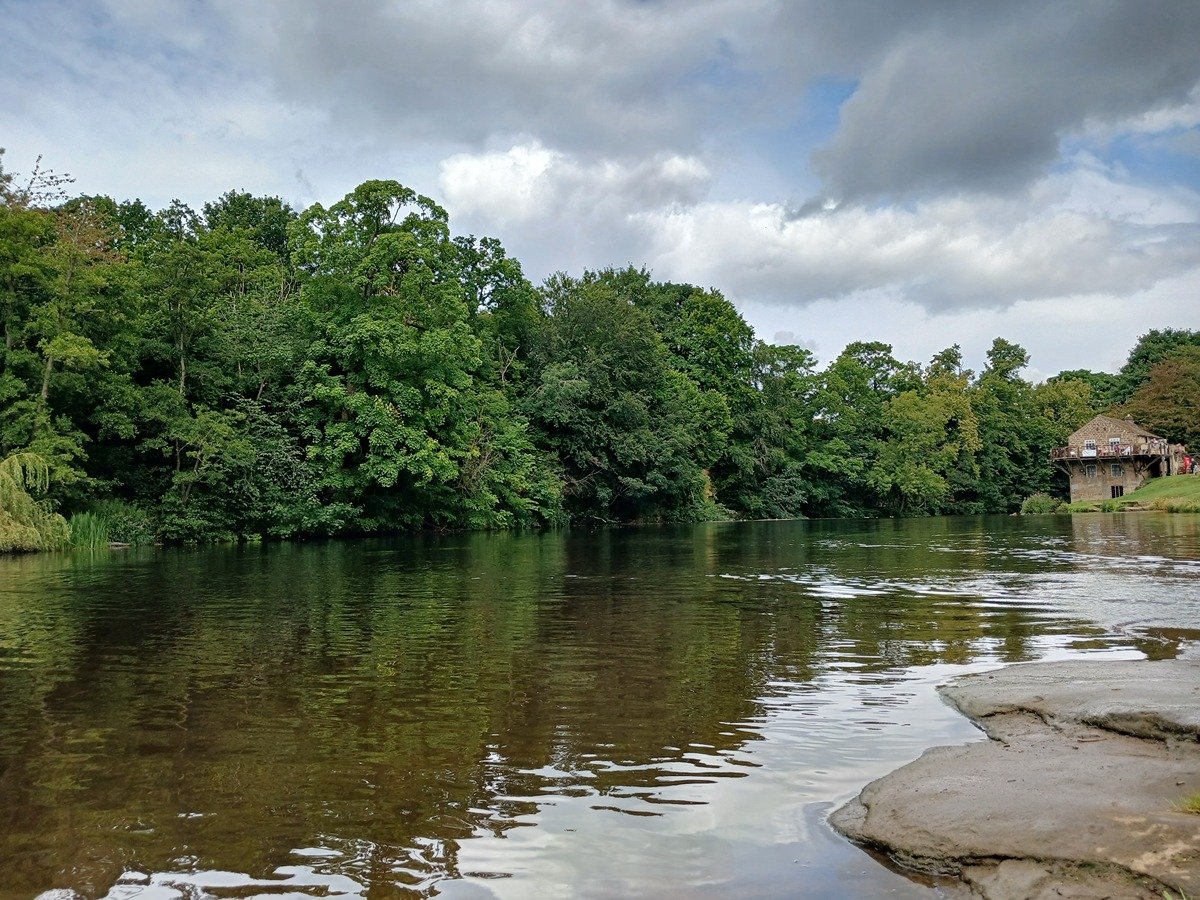
River Nidd – Image by Brian McHugh
Coordinated action
The Nidd Action Group will be joining a project to explore 28 bathing water locations around the country, with help from the University of York, Surfers against Sewage and Watershed Investigations. Every day for a week they will undertake composite testing at the Lido for E coli, evidence of nutrient chemistry and pharmaceutical concentrations.
As David Clayden commented:
“The intention is that we will know more about what actually is in the bathing waters, beyond the statutory sampling done by the EA, and to get a national picture of the state of bathing waters.”
Brian has lived in North Yorkshire for over 10 years. He is very interested in climate related issues and has recently edited a climate book due for release later this year. Air pollution and chemical pollution are particular areas of interest for him. Follow him on Bluesky
PRIVACY MATTERS. Yes to basic analytics, but no to marketing tracking. We only want to know how many readers we get and from where [see more]. We use this data to understand our community's interests and support the growth of independent news.
Cookie Preferences
Manage your cookie preferences below:
Essential cookies enable basic functions and are necessary for the proper function of the website.
Name
Description
Duration
Cookie Preferences
This cookie is used to store the user's cookie consent preferences.
30 days
You can find more information in our Privacy policy and .