• Contact
  • About
  • ISSN 3049-9720
  • Authors and editors
NEWSLETTER SIGN UP
Yorkshire Bylines
Advertisement
  • Home
  • News
    • Brexit
    • Culture
    • Education
    • Environment
    • Home Affairs
    • Transport
    • World
  • Politics
  • Opinion
  • Society
    • Food
    • Music
    • Poetry
    • Sport
  • Business
    • Economy
    • Science and Technology
    • Trade
  • Region
No Result
View All Result
Yorkshire Bylines
Home News Environment

Commemorate the Queen’s Platinum Jubilee with new parks

The Platinum Jubilee will be celebrated with parties and a new book for primary schools. Public parks might be a better way to commemorate!

Helen Davidson by Helen Davidson
24-02-2022 16:39
in Environment, Politics, Society
Reading Time: 5 mins read
A A
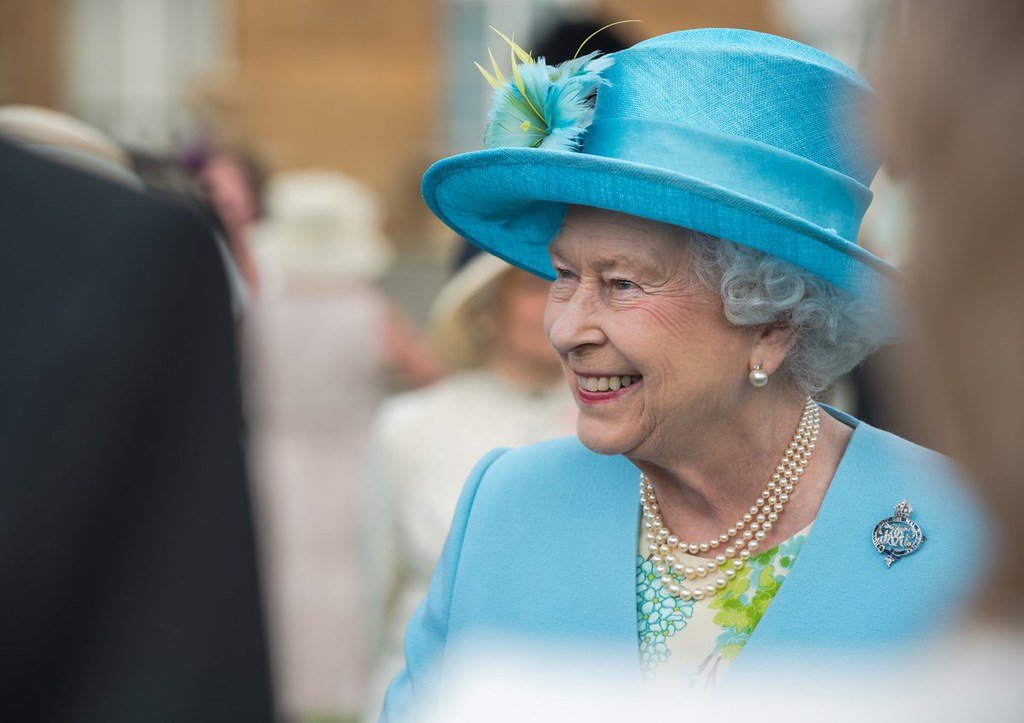
Image of HM Queen Elizabeth

The Queen's Platinum Jubilee could be celebrated with new parks. "Her Majesty Queen Elizabeth II" by Defence Images is licensed under CC BY-NC-ND 2.0

Share on Bluesky

Local and national government are encouraging communities to work together to put on events to celebrate the Platinum Jubilee – what could be a better celebration than new ‘Elizabethan’ parks (or restored old parks) funded by central and local government, rich industrialists and in partnership with local people?

Prior to the 1840s, there were no public parks in England. There were privately owned parks or ‘gardens’ such as those still dotted around Edinburgh for which the annual rental of a key is still necessary.

Parks for all

In part, the absence of parks was related to the close proximity of the countryside to urban areas; even residents in the big industrial cities such as Manchester or Leeds were not too far from open spaces. But as cities grew, access to nature reduced and municipal authorities began to develop public parks, specifically for the health of their citizens. The landscape designer Frederick Law Olmstead coined the phrase ‘the lungs of the city’ and parks were seen as a place to retreat from pollution and grime of the industrial age.

Parks, funded by industrial philanthropists and the increasingly important local authorities, were developed along with other ‘public goods’ such as piped water, sewers, public transport and schools.

While some of these parks have been neglected and have fallen into disuse, many continue to give immense enjoyment to residents and visitors.

Model Victorian parks

One of the first ‘Victorian’ parks, Victoria Park in Bath, was opened by the princess in 1830 when she was 11. It was privately funded and was intended for the richer residents and visitors the city hoped to attract. Though it was publicly accessible, it was not publicly owned until 1929. Today, it remains one of the best parks in the country and a permanent memorial to Queen Victoria.

Lister Park in Bradford (created 1870) is also an excellent example of a good Victorian park. It has:

  • Large open spaces for games, park runs, or public events
  • Age appropriate children’s playgrounds and a boating lake
  • Formal gardens, a botanical garden and ornamental lakes for gentle strolls and wheel chair access
  • Sports pitches and courts and a boating lake
  • A bandstand and free outline concerts
  • A museum and art gallery

It is well maintained and safe. A family could spend a whole day there without spending any money and it is reasonably accessible from most parts of the city.

The (restored) Derby Arboretum, planted in 1840, combines the benefits of dense tree planting with modern accessible trails and routes and might provide a good model for local authorities looking to support the platinum ‘green canopy’ tree-planting project. The Arboretum was England’s first public park, though only free on Sundays and Wednesday afternoons until entry fees were abolished in 1882.

Baby with a toy laptop
Politics

A four-day working week: a reform where everyone wins

by Helen Davidson
5 September 2024 - Updated on 7 September 2024

New parks as a permanent memorial

Many new urban areas need parks, and many old urban areas have brownfield sites that would be vastly improved by being turned into parks. Whenever a building is demolished in an urban area, consideration should be given to repurposing the area as a place of free outdoor recreation with access to nature.

Turning brownfield sites into urban forests or allowing natural regeneration, serves a number of purposes including carbon capture, water retention, wildlife preservation and renewal. But unless they are designed in such a way as to be attractive and safe places for all citizens, and especially children or older people, their value is limited.

Many parks have fallen into disrepair or have become places associated only with ‘flashers’ or drug dealing. When parks are unsafe (or felt to be so) and children cannot be allowed freedom in them, they miss their purpose.

The safety of parks comes, not from being policed or with park-keepers stopping children’s fun, but from being well-maintained and well-used open spaces that local people can feel is theirs to be protected and cared for.

The Platinum Jubilee

The Queen’s 70-year, platinum jubilee will be celebrated throughout 2022. There will be pageants, parties, exhibitions, church services and a four-day bank holiday. Royalists will be able to enjoy a year of festivities and republicans can stay at home. But, apart from tree planting, it will be an ephemeral event, a memory with little lasting value.

The Department of Education has announced that it will spend £12m on the publication of a book for all primary schools in England. This announcement caused immediate controversy, with some arguing the money could be better spent, or that its celebration of Empire is divisive and inappropriate.

A more fitting legacy might be the funding of more safe open spaces in urban areas so that all children and future children can enjoy access to nature and space to play, In other words, more parks. 

Sign up for the Yorkshire Bylines newsletter

* indicates required

Consent for having Bylines Network store my submitted information

You can unsubscribe at any time by clicking the link in the footer of our emails. For information about our privacy practices, please visit our website.

We use Mailchimp as our marketing platform. By clicking below to subscribe, you acknowledge that your information will be transferred to Mailchimp for processing. Learn more about Mailchimp's privacy practices.

Helen Davidson

Helen Davidson

Helen is a retired civil servant hoping the election of a Labour government means she can return to tending sheep and chickens and walking the high fells.

Related Posts

The Tricolor team standing outside their storefront on Church Street
Economy

Is York’s flagship business incubator still working?

by Gabriel Macarthur
7 November 2026
Outside The Tetley in Leeds
Culture

Discovering Leeds: A Walk Through History, Pubs and Hidden Streets

by Scott Spencer
7 November 2026
Wooden blocks painted with the European Union EU flag placed on a Europe map, symbolizing European unity, integration, politics, and economy
Politics

Embracing EU free movement should hold no terrors for the UK

by Richard Corbett
6 November 2026
Bylines Network Logo on a background of an early morning sky with the text Local News Fund
Society

Bylines Network has big plans to transform local journalism – and now the backing to make them happen

by Dr Mike Galsworthy
5 November 2026
A flock of sheep in front of a night sky lit up with many fireworks
Culture

A bang too far: isn’t it high time we rethought fireworks?

by Kay Johnstone
4 November 2026
Next Post
Image of a concert.

Update on post-Brexit arrangements for UK performers touring in the EU

PLEASE SUPPORT OUR CROWDFUNDER

BROWSE BY TAGS

Art Books Boris Johnson Bradford Charity Climate Change Cost of Living Covid-19 Creative Industries Crime Democracy Devolution Donald Trump Environment Equality Experience Farming Festival Gaza Conflict General Election History Human Rights Immigration Iran Journalism Keir Starmer Labour Leeds Media Mental Health NHS Northern Ireland Protocol Pollution Poverty Recipe Refugees and Asylum Seekers Restaurants Retained EU Law Review Rishi Sunak Sheffield Theatre Travel Ukraine USA
Yorkshire Bylines

We are a not-for-profit citizen journalism publication. Our aim is to publish well-written, fact-based articles and opinion pieces on subjects that are of interest to people in Yorkshire and beyond.

Yorkshire Bylines is a trading brand of Bylines Networks Limited which is separate to, but allied with, Byline Times.

Learn more about us

No Result
View All Result
  • About
  • Authors and editors
  • Complaints
  • Contact
  • Donate
  • Letters
  • Privacy
  • Network Map
  • Network RSS Feeds
  • Submission Guidelines
  • Download the Bylines Network App

© 2020-2026 Yorkshire Bylines. Powerful Citizen Journalism. ISSN 3049-9720

No Result
View All Result
  • News
    • Brexit
    • Education
    • Environment
    • Health
    • Home Affairs
    • Transport
    • World
  • Politics
  • Opinion
  • Society
    • Culture
    • Dance
    • Food
    • Music
    • Poetry
    • Recipes
    • Sport
  • Business
    • Economy
    • Science and Technology
    • Trade
  • Region
  • The Davis Downside Dossier
  • The Digby Jones Index
  • Cartoons by Stan
  • Authors and editors

Newsletter sign up

CROWDFUNDER

© 2020-2026 Yorkshire Bylines. Powerful Citizen Journalism. ISSN 3049-9720