



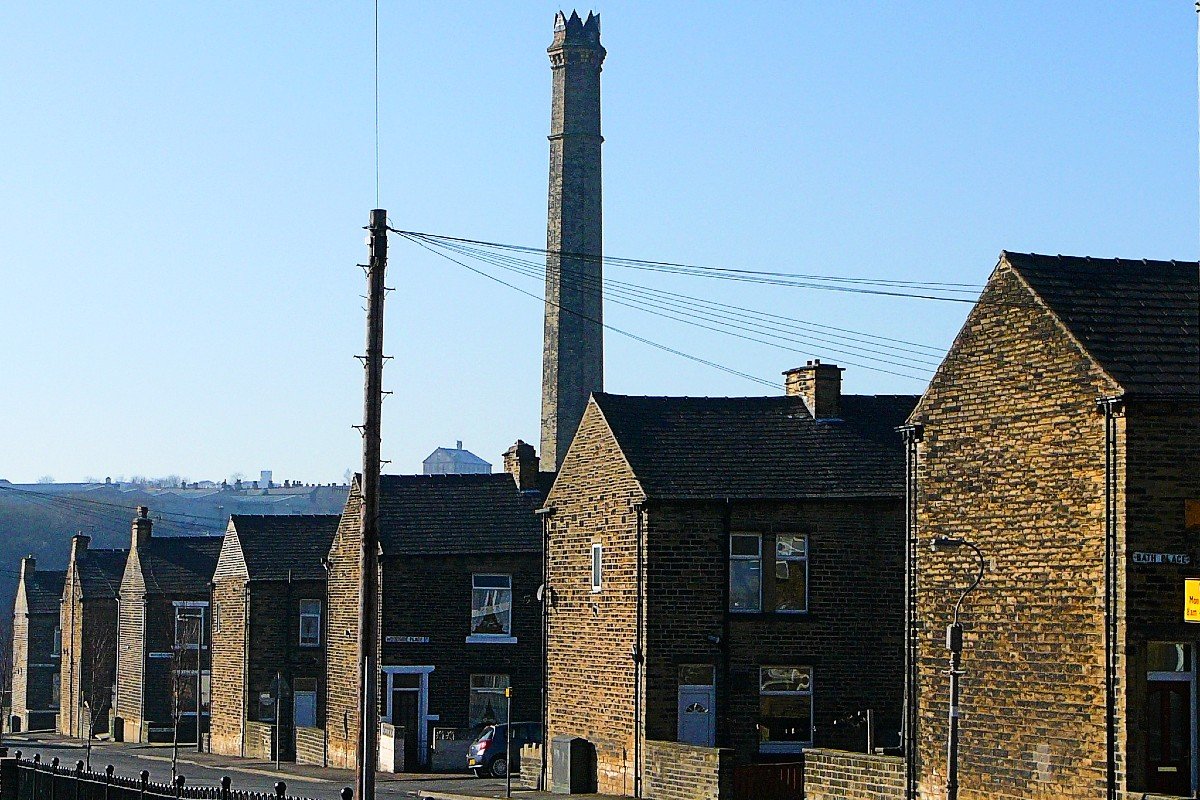
If you sit in the coffee shops and walk the high streets of many of Britain’s former industrial and working-class towns, you will frequently overhear an unsettling sentiment. There is a raw hostility toward Black and brown people, accompanied by a firm belief that minority groups are to blame for the country’s current struggles.
This presents a striking paradox. In many of these towns, places built on mining or textiles where traditional industries vanished decades ago, the local population remains overwhelmingly white. Hostility is often highest in the very places where ethnic minority faces are rarely ever seen.
Furthermore, trying to counter these views with facts, figures or official statistics is largely ineffective. Instead, people fiercely defend a worldview handed to them by tabloid headlines, right-wing commentators and social media bots. To understand why this anger has taken root so deeply, we must look at what happened to these communities, how they consume media and why logic no longer works.
The loss of identity and the need for a target
The real root of the problem isn’t immigration; it is abandonment. When the pits closed and the mills shut down, they weren’t replaced with secure, well-paying jobs. Over the decades, these towns didn’t just lose employment, they lost their banks, their community centres, their local shops and their sense of pride.
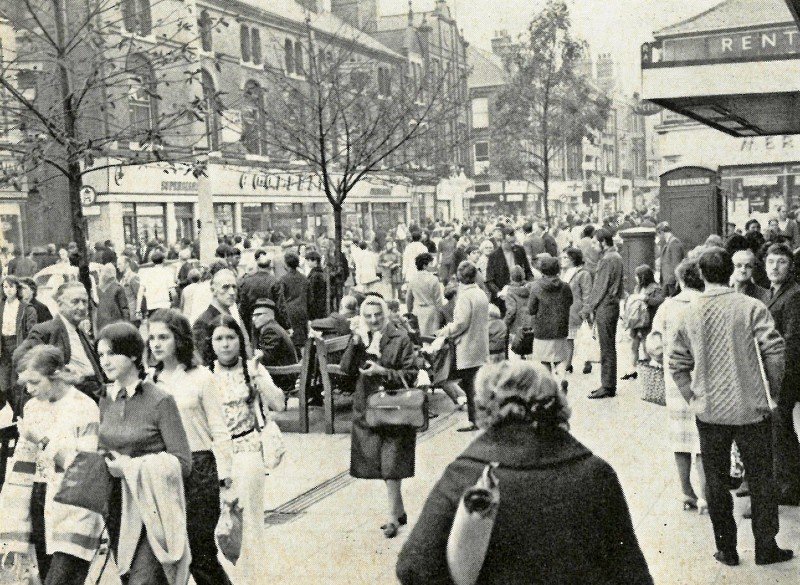
People look around their hometowns and see undeniable decline, which creates a deep, justified anger. However, systemic economic neglect and government policy are invisible, complicated enemies. You cannot easily see or fight a corporate board or a decade of political choices. Right-wing media and online algorithms exploit this frustration by providing a highly visible, physical target. They offer a simple, comforting, but entirely false story: “Your town is suffering because your resources are being given to outsiders.” This takes a complex economic disaster and turns it into an easy-to-understand enemy.
Living in a digital reality
This explains why prejudice thrives in areas with very little diversity. In large, multicultural cities, people interact with different ethnic groups every day as neighbours, colleagues and friends. Daily human contact naturally shatters stereotypes.
In a homogenous town, however, there is a vacuum. Because residents rarely meet Black or brown people in their daily lives, their entire perception of them is curated by their phone screens. If the only time they “encounter” a minority group is through an alarmist Facebook post or a sensationalised headline about crime or immigration, that caricature becomes their reality. Without real-world interactions to prove otherwise, the media version wins.
The weaponisation of real tragedies
This digital anxiety is supercharged by the horrific child sexual exploitation scandals that occurred in northern towns like Rotherham and Huddersfield. The grooming gang convictions represent a deeply painful history where vulnerable, working-class girls were systematically abused, and state institutions catastrophically failed to protect them out of institutional incompetence and a fear of stoking racial tensions.
Because the state’s failure and subsequent cover-up were entirely real, it left behind a permanent, justified breach of trust between working-class communities and authority figures. Right-wing commentators and online agitators ruthlessly weaponise this genuine betrayal. They strip away the complex failures of policing and classism, reframing a specific criminal subculture as an inherent trait of all South Asian men. For nearby towns with very little diversity, this extreme generalisation feeds a visceral, protective fear, creating the terrifying illusion that a threat from just down the motorway is actively creeping towards their own doorstep.
Why facts don’t work anymore
It is deeply frustrating to realise that spreadsheets and data cannot win these arguments. This is because the belief system isn’t based on logic; it is built on fear, pride and the painful feeling of being left behind. When people feel like their way of life is under threat, throwing statistics at them feels like an insult to their daily struggles.
Worse, modern online commentary has taught people to deeply distrust authority. If you present a fact from an official report, a defence mechanism immediately kicks in. The data is instantly dismissed as “fake news” or elite propaganda. Social media has created an echo chamber that logic simply cannot penetrate.
A world shrunk by survival
This internal pressure also helps explain why there is so little interest in global events, such as international conflicts in Gaza and Iran, to wider questions of foreign policy. It isn’t always out of cruelty, but sometimes a symptom of extreme insularity.
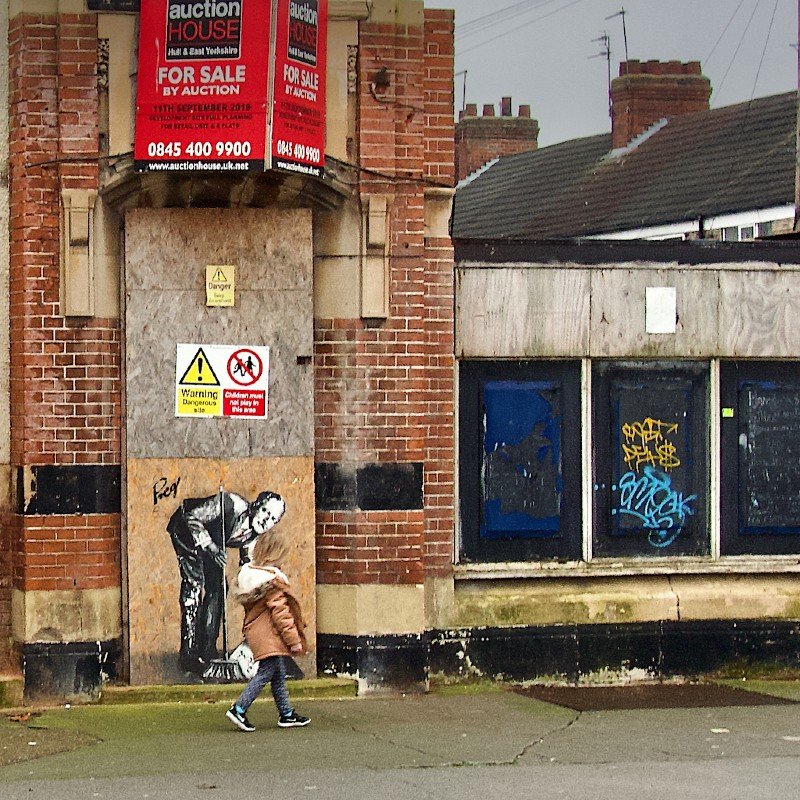
When you are struggling to get a GP appointment, watching your energy bills soar and seeing your local high street boarded up, your worldview naturally shrinks. People living under the constant stress of domestic survival simply do not have the emotional bandwidth to care about geopolitics half a world away. They focus entirely on their own immediate surroundings because they feel like their own world is collapsing.
Ultimately, when decades of political neglect are mixed with targeted online misinformation, it creates a fortress of resentment. It isolates communities from both empirical facts and global empathy, turning a justified anger at systemic neglect into misplaced hostility toward the wrong target.
Truth is power
Nominate an organisation that needs scrutiny