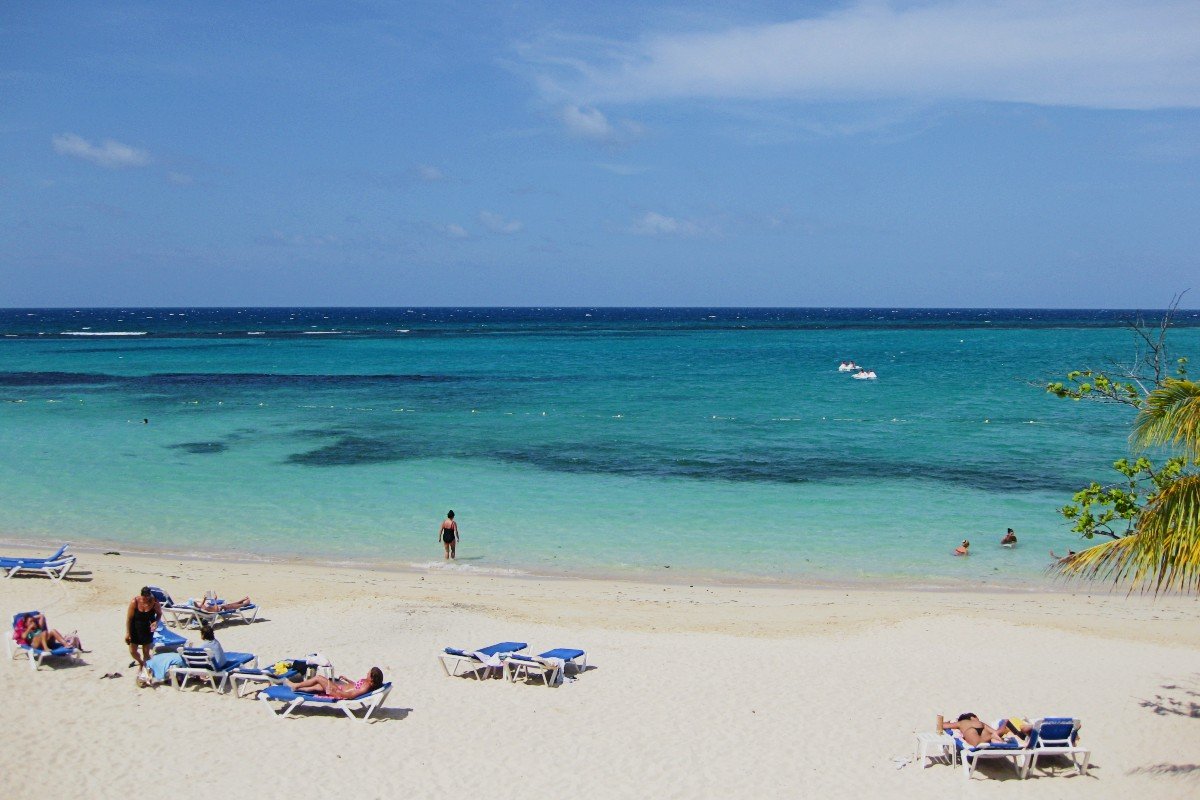
Each year, the author Ian Fleming would spend two months at his beach home on the north coast of Jamaica, developing his character, James Bond, as described in Forbes by Rich Karlgard (2015). Fleming would habitually swim and snorkel at his private beach in St. Ann before breakfast. He enjoyed his beach home named Goldeneye which was a former code name used during World War I, when he worked as an operations strategist in the Royal Navy.
Fleming was an avid writer, writing at least 2,000 words daily, finishing Casino Royale in four weeks. In fact, from 1952 to 1964 (the year he died), Fleming produced a book in his James Bond series every year at his Jamaican beach home. I wonder whether he would have been able to sustain this depth of writing if he did not have the creature comforts of a private beach. If Fleming were alive today, what would he make of the fact that local beach rights in Jamaica have become an inherently national scandal?
Frustration from the locals
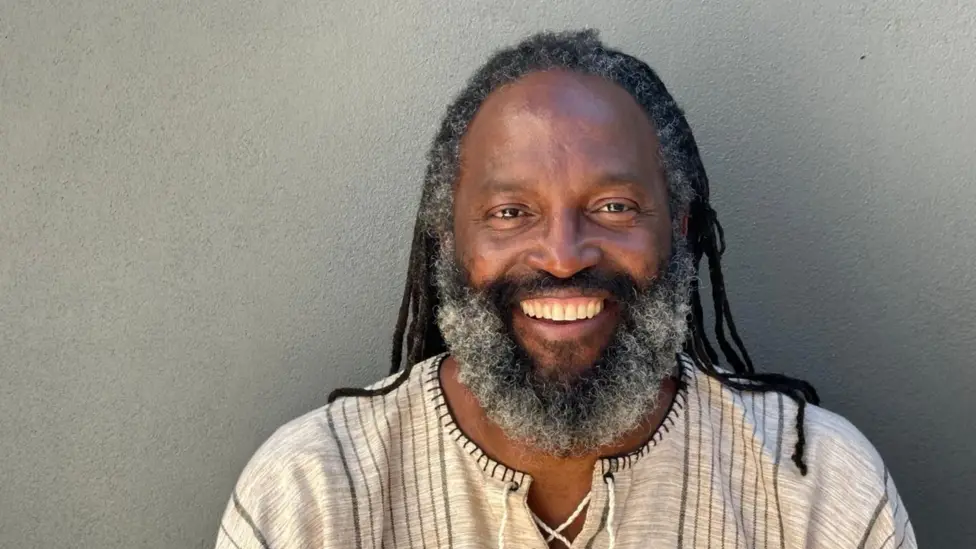
Nowadays, Mammee Bay, a beach in St. Anne is ground zero. As Natricia Duncan reported for The Guardian, a resident, Dr Devon Taylor grew up in Mammee Bay and is now fighting for his rights to have access.
Taylor protested with others in the community and ripped off the fence, although much of the restriction was due to Covid-19. When they left and returned later, a concrete wall was erected as a permanent reminder that the community were not wanted.
Taylor said: “When you cut us off from the sea … you are actually setting us up to starve.”
Taylor is not happy with the Jamaican authorities who have allowed the status quo to continue for so long.
Most of his anger stems from the ensuing Jamaican governments who do not want to consider the colonial policies when the British elite originally owned beaches.
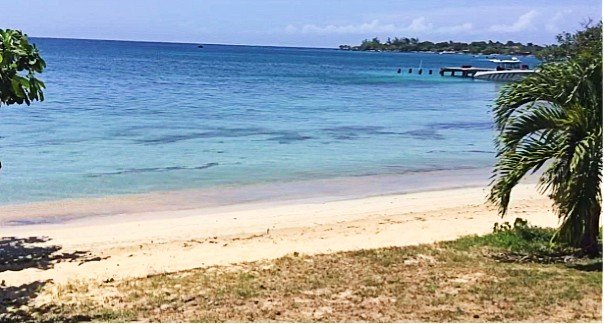
Tourism is the mainstay of Jamaica
According to a study by McNaughton and Rao (2020) in Worldwide Hospitality and Tourism Themes, the Jamaican government relies heavily on tourism as an important economic activity. Tourism is also a significant contributor to employment and Gross Domestic Product (GDP).
In Gale Business: Insights (2025) Jamaica, which has long been seen as a unique tourist destination with picturesque beach fronts, led tourism minister Edmund Bartlett to say that Jamaica was on par to “achieve a growth strategy called 5x5x5, which called for the generating of $5 billion in revenue from 5 million visitors by 2025.”
The economy is also dependent on other services in addition to tourism which account for more than 70% of GDP, including foreign exchange, remittances and bauxite/alumina trade.
Barriers to growth include ballooning public spending, high crime rates, and corruption. Tragically, Hurricane Melissa – a Category 5 hurricane – devastated the country in October 2025, leaving much of the island completely destroyed.
The Jamaican government is in a quandary; on the one hand, they need to address the real issues of preservation of beach rights to all Jamaicans, while on the other it has fiscal responsibilities to balance the books, where tourism and private beaches bring in much needed revenue.

Elite vs. working class
In her article, “De Beach Belong to We!” Onati Socio-Legal Series (2015) Christine Toppin-Allahar writes to explain how and why the beach rights problem still exists. She argues: “Caribbean islands share a history of plantation economy in which the ‘1%’ not only controlled the natural resources and economies of the region but also owned the majority of the ‘99%’ who were enslaved.”
This legacy of this system, she says, left wealth and land concentrated in the hands of a predominantly white elite, while the largely non-white majority remained dispossessed. She notes that although coastlines were valuable, land unsuitable for agriculture was often used for fishing depots, cemeteries and informal settlements for landless people.
This competition for beaches since 1960 – the era of Fleming – has led to the attraction of foreign currency, leading to the transfer of beach property to foreign ownership while reducing the local Jamaican’s access to the sea. Moreover, most of the hotel chains, foreign investors and tourists are white, prompting racial tensions as well as resentment.
The Jamaican government must do its due diligence and balance its monetary policies so that beach rights are not just geared unfairly towards one privileged group while forsaking the needs and rights of the working-class Jamaicans.
Government ministers must engage in discourse with Jamaicans to address their rights to access their occupied beaches.
Friends of Bylines Network
There has never been a greater need for grassroots journalism that investigates the stories that really matter, holds power to account and champions the voices of everyday citizens. We are proudly powered by volunteers but what we do isn’t free.
STAND WITH US for independent, citizen-led journalism that makes democracy stronger, and you will even get some exclusive benefits.