Yorkshire has never lacked people who are willing to pull together and sort things out for themselves. Long before ‘community resilience’ became fashionable, we had co-operatives, mutuals, friendly societies, and miners’ welfare halls – practical responses to the simple reality that ordinary people often do a better job than distant institutions. LILAC, the Low Impact Living Affordable Community in West Leeds, belongs firmly in that tradition. It is not flashy, not theoretical, and not driven by profit. It is simply a group of people who decided there had to be a better way to live, so they went and built it.
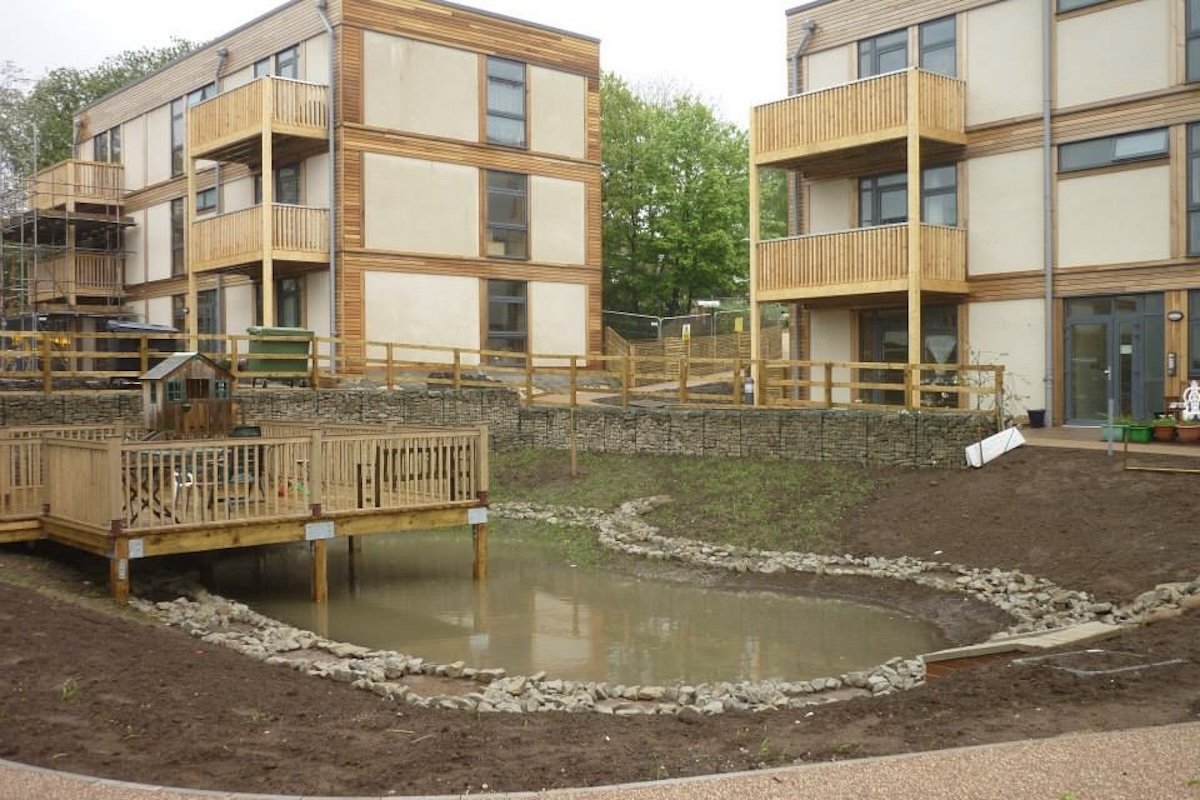
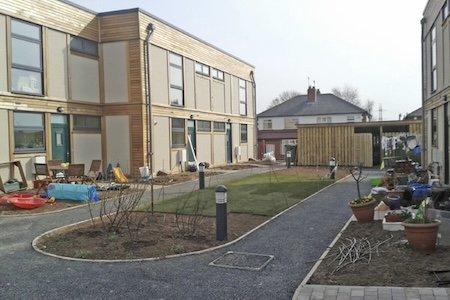
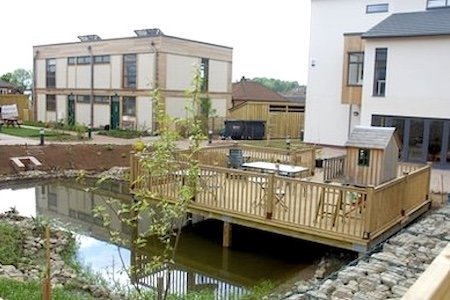
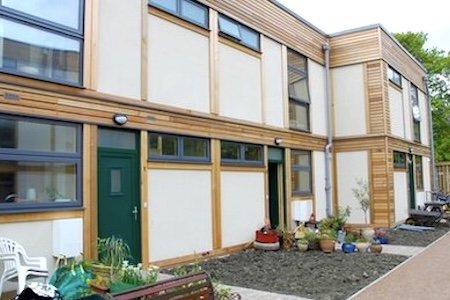
LILAC is a co-housing development of 20 homes in Bramley, that was completed in 2013 after years of resident-led planning. The houses themselves are deliberately straightforward: highly insulated, built using straw bale and timber, cheap to heat and comfortable to live in. The aim was never architectural novelty. It was about reducing energy use, keeping bills down and building homes that would still make sense in a low-carbon future.
Collective home ownership
What really matters, though, is how LILAC is owned. The entire site is held collectively through a mutual home ownership society. Instead of each household buying a home and hoping it rises in value, the community owns the land and buildings on behalf of everyone. Residents purchase equity shares linked to their income and the size of the home they live in, paying a fixed proportion of their monthly earnings. When someone leaves, they take out what they put in, adjusted in line with average wages rather than house prices.
While there are no windfalls, there are no speculative losses either. The homes stay affordable because the system is designed to keep them that way. Crucially, money that would otherwise disappear each month on high rents to private landlords is instead invested in the homes themselves, building long-term security rather than short-term profit.


Putting people at the centre
This system of re-investment makes a huge difference in Yorkshire. We have all seen so-called ‘affordable housing’ sold at a discount, only to revert to the open market a few years later, permanently lost to local people. LILAC avoids that trap entirely. Taking housing out of the speculative system, it protects future residents as much as current ones; something mainstream housing policy still struggles to achieve. For residents, it means paying for a stake in their community rather than subsidising someone else’s property portfolio.
LILAC is also a reminder that housing is more than bricks, mortar, and mortgages. The development includes community spaces that encourage people to spend time together. Residents manage the site collectively, make decisions together, and share practical resources. That way of living may not suit everyone, but it delivers clear benefits: lower living costs, everyday support and a level of social connection that is missing from many modern estates. At a time when loneliness, fuel poverty and housing insecurity are all rising, that should not be dismissed lightly.
Barriers to LILAC
The real frustration is that schemes like LILAC remain rare, not because they fail, but because the system makes it difficult to repeat. Community-led housing struggles to access land, raise finance and fit into planning rules designed around volume builders and speculative development. Groups of local people are expected to navigate a system that barely seems to recognise them.
This is where devolution stops being just a debate and starts to matter in everyday terms. A Yorkshire regional government with real powers could choose to support models like LILAC rather than treating them as interesting exceptions. It could decide that public land should be used to meet long-term local needs, not just maximise short-term receipts. It could shape planning rules that make cooperative ownership and low impact building easier, not harder. None of this requires radical theory, just the freedom to make decisions closer to home.
Finance is another problem. If Yorkshire is serious about affordability and climate goals, it needs financial institutions that share those priorities. At present, too much housing finance extracts wealth from communities and sends it elsewhere. By contrast, a regionally rooted approach would keep repayments circulating locally, funding the next scheme rather than another distant balance sheet.

Solutions
A publicly owned Yorkshire community bank could quietly make a difference by offering long-term, supportive lending to cooperative housing projects that commercial banks rarely understand or prioritise. Instead of residents paying ever-rising rents to private individuals, their payments would help build lasting assets for Yorkshire communities themselves.
None of these are hypothetical. LILAC already exists. People live there. Their homes are secure, their bills are lower, and the community has been working for more than a decade. In a region that has spent too long being told to wait for its turn or accept second best, that should count for something.
Regional power matters
This is why a One Yorkshire regional government matters. Local people who understand the region and its communities. Not as an abstract constitutional rearrangement, but as a practical tool to back what works. With real powers over land, housing, planning and finance, Yorkshire could choose to support community-led models like LILAC at scale, rather than leaving them to survive despite the system.
LILAC does not claim to be the answer to every housing problem. But it proves that another way is possible — one that keeps homes affordable, money local and decisions closer to the people they affect. If devolution is to mean anything at all, it should give Yorkshire the freedom to build more of this for itself.
Friends of Bylines Network
There has never been a greater need for grassroots journalism that investigates the stories that really matter, holds power to account and champions the voices of everyday citizens. We are proudly powered by volunteers but what we do isn’t free.
STAND WITH US for independent, citizen-led journalism that makes democracy stronger, and you will even get some exclusive benefits.