The election of a Labour government has brought with it a policy blitz as ministers look to draw a line on the last 14 years of Conservative rule. With so many bills coming through in such a short period of time it is hard to keep track of what’s being proposed, and what that change might look like on the ground.
Better Buses bill
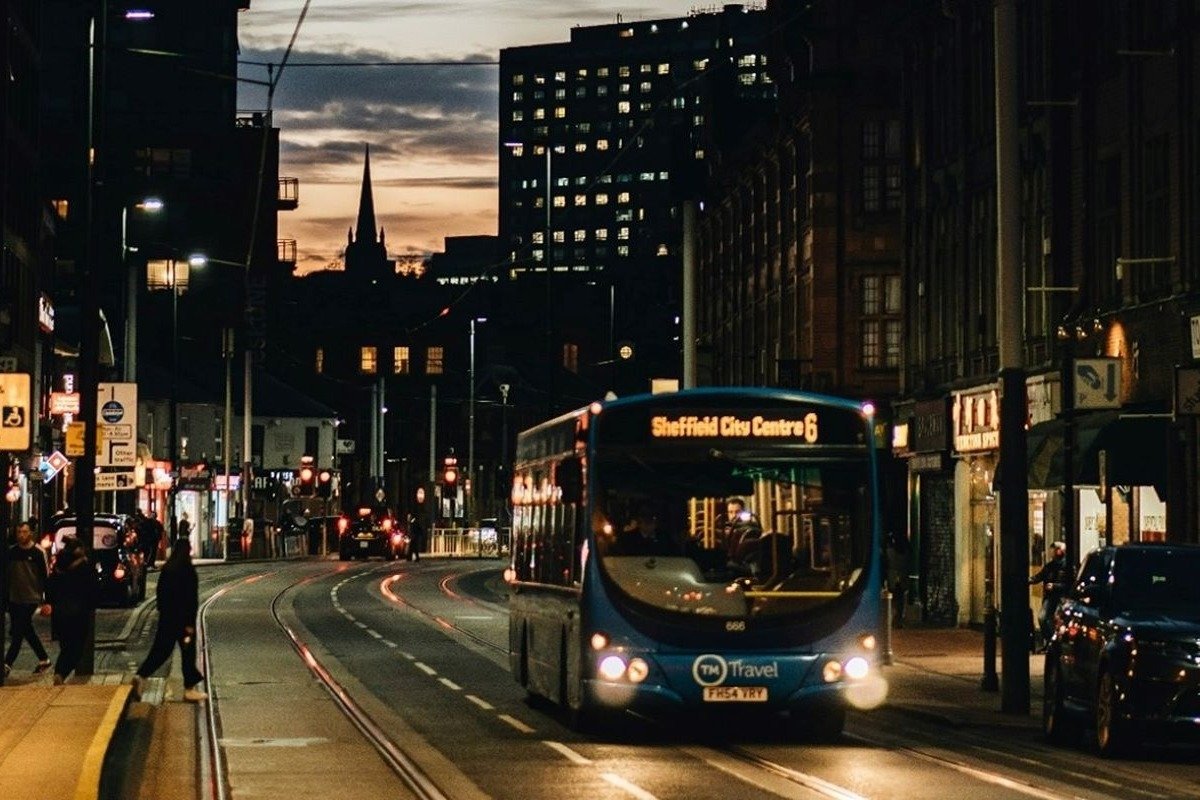
One bill that could be transformative is Louise Haigh’s Better Buses bill, which allows more local leaders to franchise their buses and – a real gamechanger – will end the 40-year ban on councils setting up their own bus companies. The ‘better buses’ tagline of the bill may be familiar to many Sheffielders. We Own It have co-ordinated the ‘Better Buses for South Yorkshire’ campaign for many years now, leading calls for public control of our bus network.
Since her appointment as transport secretary, Louise has said repeatedly that her mantra has been to “move fast and fix things”. Part of this has clearly been rebuilding industrial relations, ending the antagonism that defined the previous government’s approach almost overnight, securing pay deals for rail workers. But praise should be also given to the willingness shown to pay tribute to social movements like the ‘better buses’ campaign, in borrowing their framing to name her vital bill.
It hasn’t been remarked about enough, just how important it is to have Louise as a member of parliament who represents South Yorkshire in post as the secretary of state for transport. Our bus services were ravaged by the last government, leaving just four routes running after 10pm. Our region exemplifies the crisis public transport faces and the need for change, and it’s only fitting that an MP representing our city is the one to lead the fight back.
South Yorkshire deserves better buses
But the Tory assault on our public transport didn’t start in 2022, in 2019, or even in 2010. It started many decades earlier. Back in the late 1970s, the Labour South Yorkshire County Council (SYCC) capped bus fares, with a 10p flat rate for adults, and 2p for children, creating a bus service that was the envy of the country. Helen Jackson, then county councillor and later MP for Hillsborough, said that Sheffield in the 1980s was the UK’s “least congested” city due to its subsidised fares.
The Thatcher government sought to bring an end to council-subsidised services. In 1986 it deregulated local bus services, and removed from councils the right to set fares, routes and bus frequencies, moving these powers to bus operators.
Undeterred, SYCC established South Yorkshire Transport as a publicly owned, arms-length operator, and continued to run services. That lasted as long as 1989, when the Department of Transport issued South Yorkshire an ultimatum: privatise South Yorkshire Transport, or it will be forcibly broken up. SYCC was the first council to receive such an order.
South Yorkshire has known the highs and the lows of public transport, which is why it’s so significant that the return of public bus ownership – a genuine reversal of Thatcherite decay – is being overseen by South Yorkshire’s transport chief.
Reviving municipal ownership
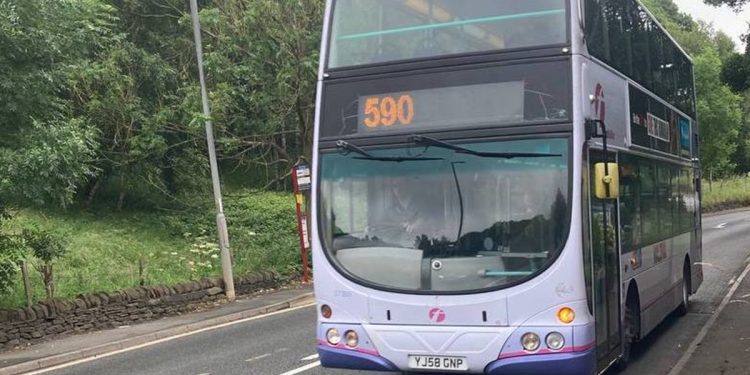
There will of course be a political challenge for the new Labour government, in ensuring local authorities have the funding needed to run their own bus companies. As essential as lifting the ban is, without resource it will be difficult for local authorities to establish new companies that can quickly compete with the established private providers.
However, there is a quick first step local leaders can take. In recent years, private bus companies have used their monopoly to demand excessive sums from public hands. In South Yorkshire, they demanded £5mn to rescue school bus services that were under threat. They knew that the lack of publicly oriented competitors meant local leaders would have no choice but to pay up big time to keep services running.
Public ownership changes the game. Rather than pay over the odds for essential services, South Yorkshire’s Mayoral Combined Authority can set up its own bus company and use those same funds to pay for buses and drivers’ wages. Similarly, rather than public money being used to train up bus drivers for private companies, SYMCA can end the handouts for Stagecoach and First and instead train up drivers in-house, helping to grow a public sector workforce.
Let’s get South Yorkshire moving once again
Back in March, South Yorkshire mayor Oliver Coppard took the brave step to bring our trams back under public ownership, a difficult thing to do under an unfavourable government.
But that forward-thinking move now means that, as soon as Louise Haigh passes her Better Buses bill, SYMCA will be in a position where it could choose to establish a publicly owned bus and tram company within a matter of weeks.
Ours was a region that was set upon by Thatcher’s government – our buses forcibly privatised as an example to the rest of country. We will be the ones to bury that neoliberal legacy, and may yet again be a region with buses run for people, not for profit.
CLICK HERE TO DONATE TO OUR CROWDFUNDER
HELP US BECOME STRONGER SO THAT WE CAN CONTINUE TO DELIVER POWERFUL CITIZEN JOURNALISM!