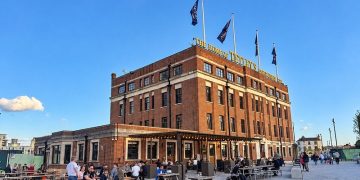
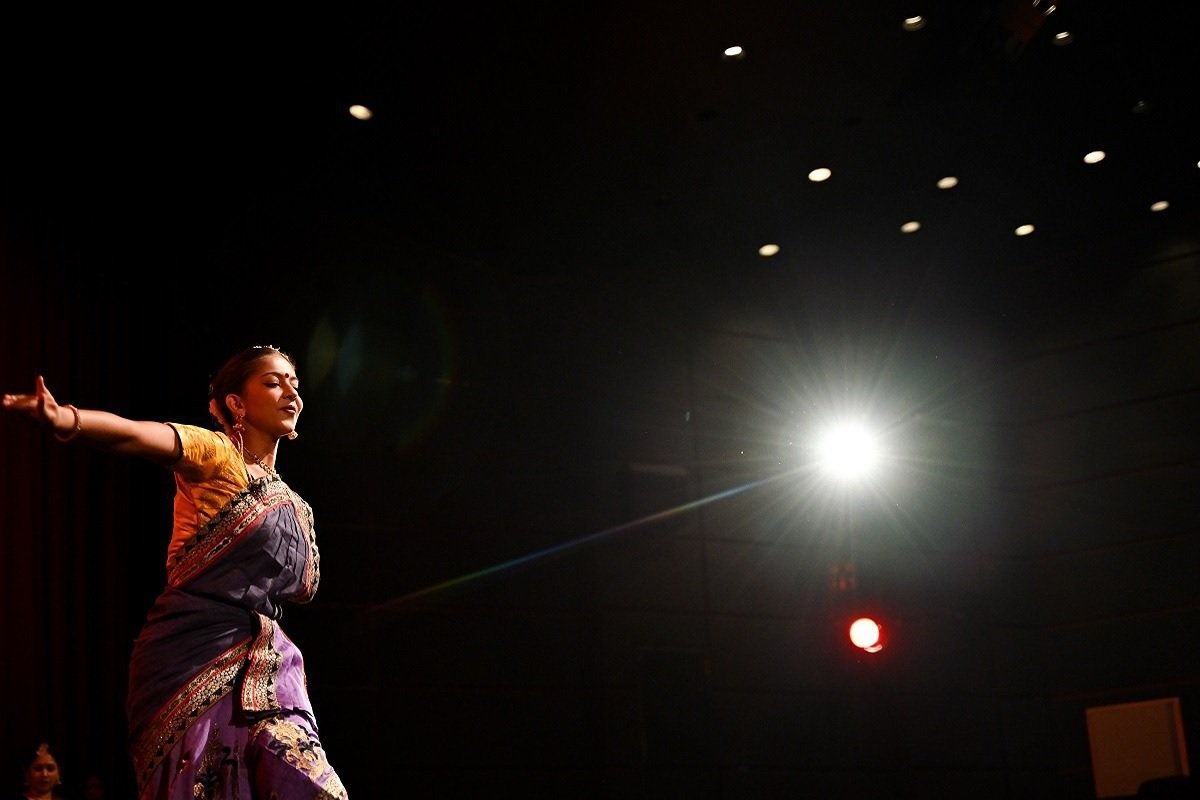
As part of the prestigious Widescreen Weekend film festival, the Devika Dance Theatre was honoured with a special commission by the National Science and Media Museum, in collaboration with Bradford’s Kala Sangam Arts Centre. A unique collaboration led to the creation of a captivating short film and performance piece titled “Dancing in the Shadows: A Tribute to Guru Dutt.”
Devika is an internationally renowned Indian Classical Dance performer and teacher. She founded the Devika Dance Theatre in 2012, dedicated to promoting Indian dance across the UK. Her focus lies in preserving the true essence of India’s traditional dances, including Bharatanatyam, Kuchipudi, and Yakshagana dance theatre, for participants and audiences of all cultures.
This production served as a celebration of the life and artistic genius of the legendary Indian film director, Guru Dutt. With a blend of dance, music, and storytelling, it embarked on a journey through the remarkable career of this cinematic legend, providing an excellent introduction to the screening of one of Guru Dutt’s most famous films.
A depiction of Guru Dutt’s early life and influences
The journey began by delving into the early life of Guru Dutt. Born Vasanth Kumar Shivsankar Padukone in Padukone, Mangalore, Karnataka, Guru Dutt grew up amidst the vibrant streets of Kolkata. At the tender age of 14, his fascination with traditional Indian dance was ignited. The audience was transported to those enchanting evenings when young Guru Dutt would gaze at the shadows playing in his grandmother’s room, where deities were kept, and lamps were lit. This early exposure to the interplay of light and shadow would later shape his directorial vision.
Guru Dutt’s relentless pursuit of his passion led him to Guru Uday Shankar’s revered dance academy in Kolkata. Here, his rigorous dance training honed his skills and cultivated a sense of movement and visual aesthetics. The dancers paid homage to this transformative period in his life, capturing the essence of his journey from a young enthusiast to a skilled artist.
Cinematic masterpieces brought to life through dance
Through the magic of dance, the world of Guru Dutt’s cinematic masterpieces, celebrated for their imaginative use of light and shade, was brought alive, creating evocative and visually striking imagery. The performance recalled moments from his iconic films, showcasing his ability to weave multiple thematic layers into his narratives. The stage came alive with the magic of Guru Dutt’s directorial style, inviting the audience to experience the emotions and stories that defined his work.
Guru Dutt’s films were renowned for their mesmerising treatment of songs, a hallmark of Bollywood cinema. The dance performance brought to life the enchanting melodies and captivating sequences that made his films unforgettable, with the seamless integration of music and dance into his storytelling paying a heartfelt tribute to this unique aspect of his cinematic legacy.

A celebration of Guru Dutt’s pioneering spirit
The evening also celebrated a significant milestone in the history of cinema – the screening of “Kaagaz Ke Phool” (Paper Flowers), which marked the first South Asian film in CinemaScope. This groundbreaking achievement added a new dimension to storytelling in Indian cinema, illustrating Guru Dutt’s pioneering spirit.
Guru Dutt’s enduring legacy is found in the timeless appeal of his films, such as “Pyaasa” and “Kaagaz Ke Phool”, which continue to be celebrated for their artistic and emotional depth. His invaluable contribution to Indian cinema and his place as one of India’s most accomplished filmmakers are undeniable.

A very successful start to the Widescreen Weekend festival
The evening was an outstanding success, with acclaimed artistic director Balbir Singh full of praise for both Devika Rao and the media museum:
This is a wonderful opportunity to support Devika Rao, such a gifted artist taking inspiration from the work of Guru Dutt in my hometown. I remember as a child attending the opening of the Media Museum event and am glad to see how it has blossomed over the years and has such a pivotal presence in Bradford.
Sally Folkard, Head of Screen and Cultural Engagement at the National Science and Media Museum was in full agreement:
It was fantastic to open this year’s Widescreen Weekend film festival with a screening of Kaagaz Ke Phool/Paper Flowers, the first South Asian film to be made in CinemaScope. It’s a beautiful film, and a real treat for audiences to see it on the big screen. Opening night was made even more special thanks to Devika Dance Theatre who delighted our audience with a stunning performance of traditional Indian dance to introduce the film.