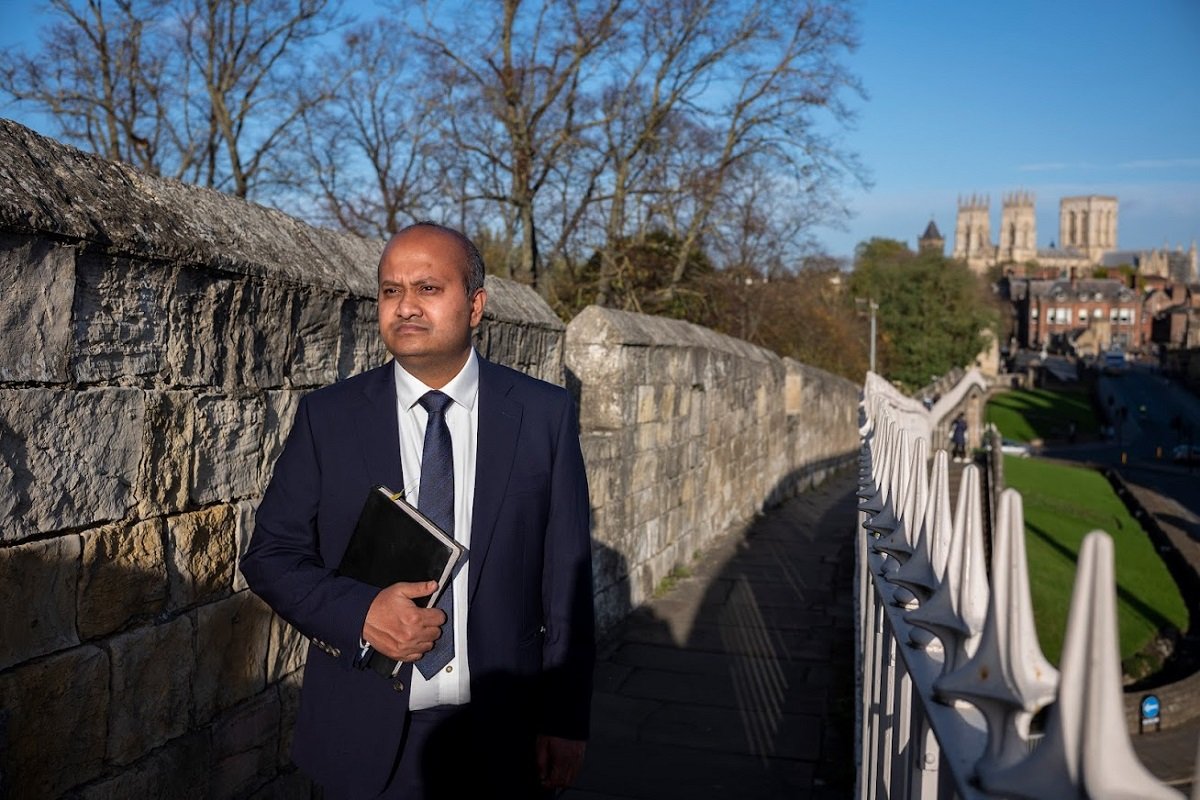
In 2011, I managed to bring this black diary with me when I was forced to leave Bangladesh due to my human rights activism and journalism, which primarily focused on documenting and writing about torture, enforced disappearances, persecution of minorities, and corruption.
The black diary symbolises several things for me; first and foremost, it reminds me of the pen and the capacity to voice for the voiceless and reveal the truth, without which the victims would continue without justice.
Fleeing Bangladesh
My parents in Bangladesh were terrified anytime I wrote or spoke on various Bangladeshi political themes from the United Kingdom. They feared police and political harassment and pleaded with me not to publish any articles about Bangladesh. I ignored my parents and brother and continued to write.
The black diary reminds me of my enthusiasm for writing and exposing human rights violations, as well as the power of journalism and truth-telling to improve the lives of individuals and society as a whole. It also reminds me of cases in which those in power despise human rights activism and journalism; they can go after people like me; many are forced to leave the country, some are imprisoned, and others self-censored.
My mother passed away in 2017. She requested me to stop writing about Bangladeshi politics from her death bed so she could pass away peacefully. She is now resting in peace. My father is elderly; he requests me to let him die quietly and begs me not to write about Bangladeshi politics. My father says I have done no crime in giving you birth, do mercy to me; I am old and fragile; I would not be able to bear torture or harassment in prison because of your writing.

Human rights violations in Bangladesh
Recently, Bangladeshi exiled journalists and human rights activists’ family members have been harassed and imprisoned on fabricated charges by the ruling elites.
I continue to observe numerous human rights violations in Bangladesh. I’ve begun writing on a variety of themes and then deleted them. I often open the black diary. The pages and notes I kept transported me back in time; I continued turning pages, reminding me of the victims I worked with and the positive changes I made on various occasions. I keep crying, staring at the black dairy, wondering when I will be able to write on Bangladeshi politics and human rights issues without fear of persecution for my family and friends.
I look at the black diary and wonder when I would be able to return to Bangladesh and write freely and without fear; I was born on that soil, and I am a son of that soil. The black diary reminds me of the other diary I maintained while my mother was dying, and I could not fly to Bangladesh to be by her side or to say goodbye on her passing.
The black dairy makes me think of the high prices I have had to pay for my human rights activism and journalism. I don’t regret making the choices I did to protect the human rights of many.