



Europe has a model of how to reconcile competing demands for scarce but valuable resources over which states have gone to war. Let’s learn from it and leave the power-hungry, greed-propelled ideas of yesteryear where they belong.
Boring, but stifle that yawn
Back in the 1950s, the European Coal and Steel Community was set up. States were obliged to share access to and distribution of coal and steel resources, not because some mighty politician told them what to do but because peace mattered. Without peace, no one was going to prosper long-term, even if they hoped to exploit and monetise their land grabs and monopoly over scarce resources.
That is why the political leaders of the day agreed to put an independent technocratic body, the forerunner of the EU Commission, in charge of proposing how to distribute resources. Crucially, it was made accountable to those governments and to a nascent European Parliament. That was part of showing that our values mean something; and that we are committed to human rights and fundamental freedoms.
Back in the real world
Fast forward to 2026, and public expectations of what the EU can and ‘ought’ to do far exceed its political and financial capacity to meet them. However, it cannot and does not seek to duck its responsibility to show publicly that it holds power accountable, domestically and externally in the face of threats to the integrity of the Arctic neighbourhood.
How it does depends both on the public, and on the tools at its disposal. The EU does not have an army. It was deliberately set up without one. Its purpose, after all, was not about using military power to get what it wanted. It was set up as a civilian power to serve the people within its members’ borders without posing threats to anyone outside.
America’s flip-flopping over Europe and EU tariffs
Tariffs matter. President Trump may not recall that in the 1980s and 1990s, successive American governments remarked unfavourably on the EU’s relative uncompetitiveness because it had not completed the customs union or a single market. Internal tariffs hampered the free flow of goods, services, capital and people.
A car handle made in France may not have been accepted in Spain: different design standards and non-technical barriers to trade raised the costs to manufacturers and consumers everywhere.
By eliminating those, the principle of a standard accepted in one member state being accepted as good enough in another freed-up businesses from time-consuming bureaucracy. The UK, as an EU member, was all for that.
In post-Brexit UK, we know just how badly those barriers have hit our living standards since they have been resurrected. That’s what being outside the customs union and single market means for our pockets. That may not matter to the US, but Europe now being more competitive annoys some there.
Apparently, the current US regime dislikes the international competitiveness of the EU’s single market and the sharing values that underlie it. Yet, it could learn from the EU’s model of peaceful, international cooperation.
The current US government wants to annex sovereign, foreign territory and expect everyone else to play by its rules when it appears to dismiss the international legal order. So, what does that mean for Europe when its members are confronted by a power-hungry, bully?

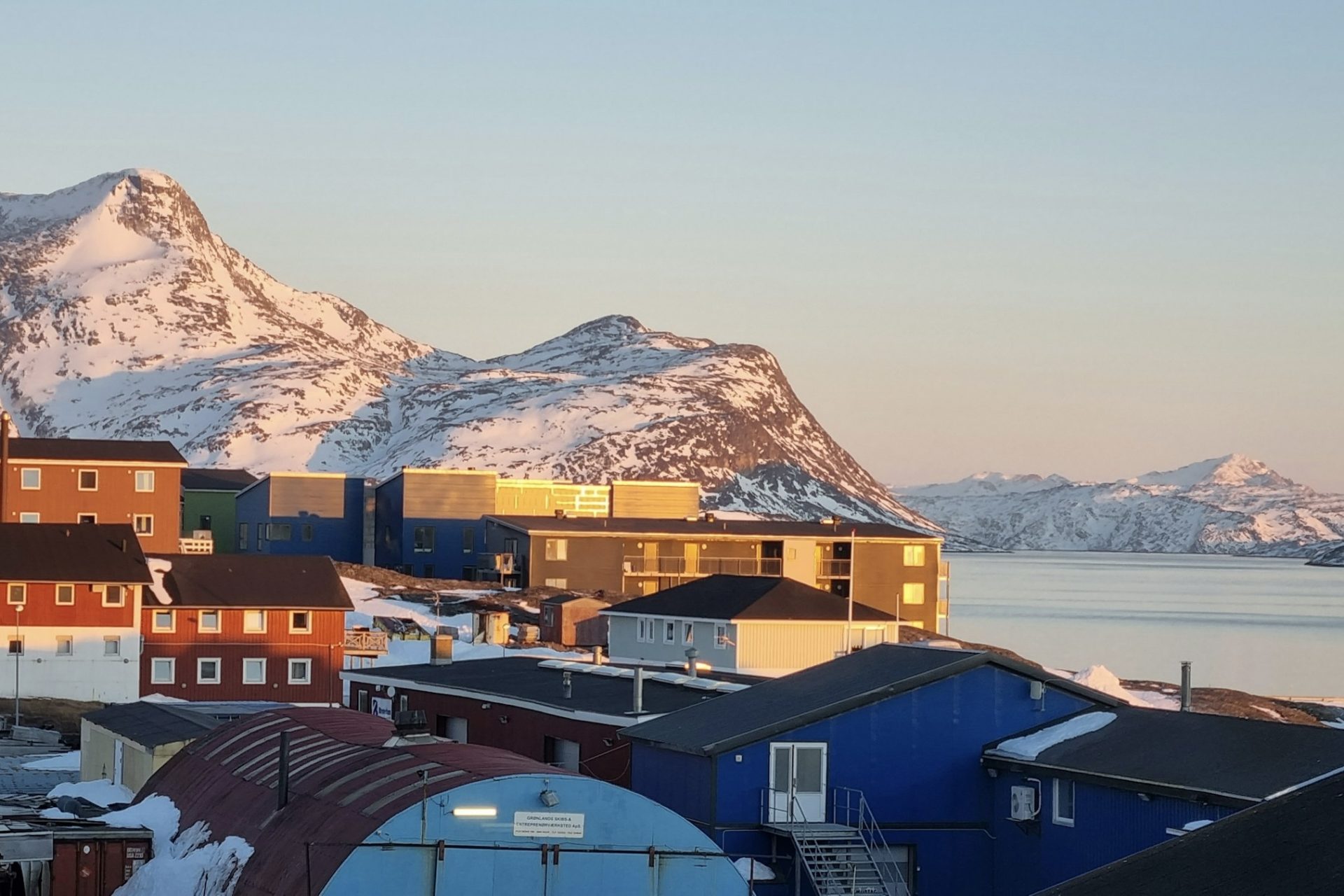
Greenland from space and its Arctic neighbours
Greenland and Europe’s geopolitical Arctic neighbourhood are interesting. Of the countries in its vicinity, Iceland, the EU and Canada have a record of peacefully and more-or-less constructively working together.
We face an erstwhile ally whose geopolitical border to the west is closer to our enemy to the east by less than the width of the English channel. The UK and EU have recognised that reality. But calling for negotiations is not enough: a negotiated settlement dignifies the US tactics with a degree of credibility and legitimacy they do not deserve. Talks around how much territory and access is to be granted to the US and others is a distraction from the need to adhere to the international law of non-aggression. We need international cooperative, innovation.
How could we realise an Arctic community designed around peaceful and fair sharing of scarce resources?
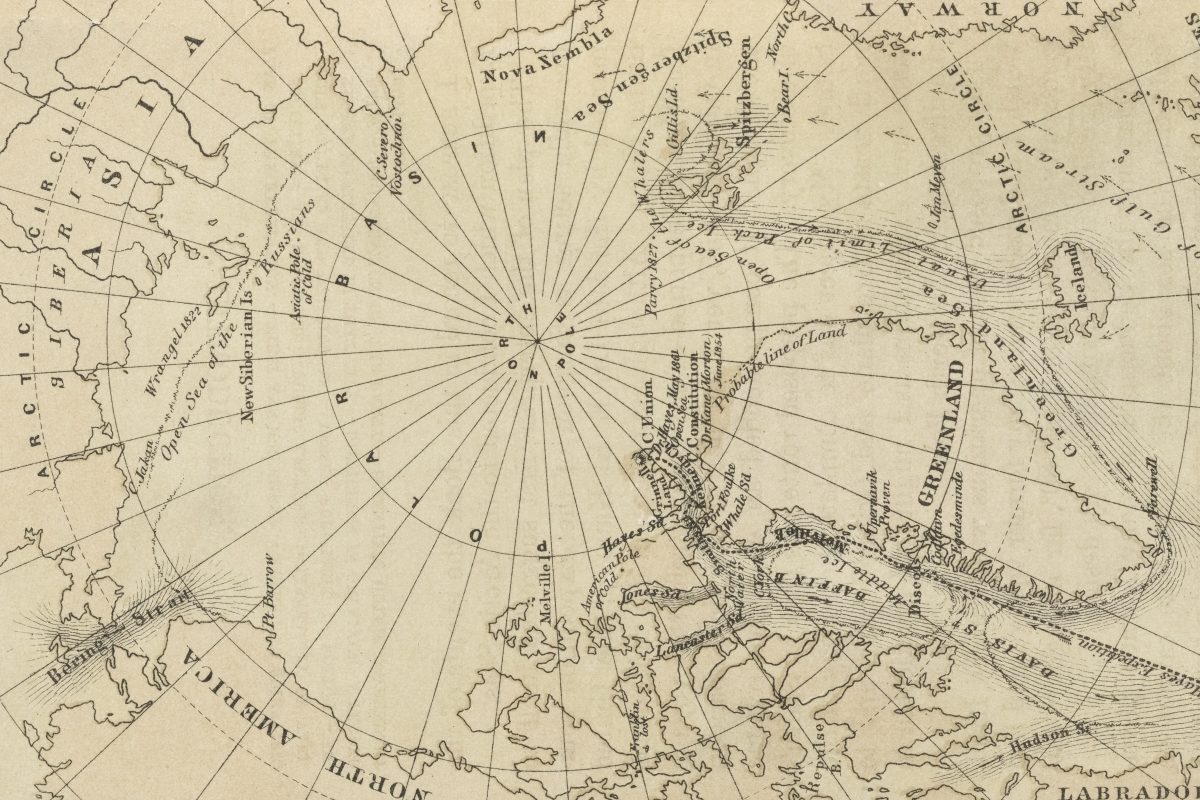
How about an Arctic community?
An Arctic community could have a system of governance based around a central scientifically expert team legally committed to shared values, and independent of any one government. It could be publicly, visibly and tangibly accountable to a publicly elected citizens’ body: an Arctic Assembly.
This might be presided over by local Greenland representatives, as the custodians of Greenland’s ecological wellbeing: with wellbeing interpreted in line with the wellbeing of its ecology, people and fauna, not the wannabe plunderers of its mineral resources.
Delegates from component member states sent to it could be entrusted with sustaining the wellbeing of the Arctic and its bordering communities.
Could this be held in check?
Commercial exploitation of resources cannot be left to one company, or to international conglomerates. Wanting Greenland, for whatever spurious reasons a powerful state or company may come up with, is inimical to the underlying values of sharing resources. Greenlanders scepticism over US proposals has not subsided.
Instead of building a new physical parliament in Nuuk, delegates could meet in hybrid formats, virtually and in person in the Nuuk parliament. Their role could be to hold the scientific experts, their AI-coders and technocrats in charge to account. The final say over decisions to be implemented would reside with the delegates. Visions for the future could be sought regularly from citizens’ assemblies, selected randomly in each member state.
The Arctic community must be genuinely committed to the common welfare of the Arctic neighbourhood states and those there immediately impacted by the melting ice cap.
Revitalisation in response to science and rooted in shared values is the only sensible way forward. Solidarity, equality, autonomy, fairness, cooperation and decency matter. To want to realise them democratically together is not naïve: it is our duty. It is the responsibility of governments to construct the boring – but trustable – institutions and laws that ultimately sustain and transform such hope into reality.
Friends of Bylines Network
There has never been a greater need for grassroots journalism that investigates the stories that really matter, holds power to account and champions the voices of everyday citizens. We are proudly powered by volunteers but what we do isn’t free.
STAND WITH US for independent, citizen-led journalism that makes democracy stronger, and you will even get some exclusive benefits.